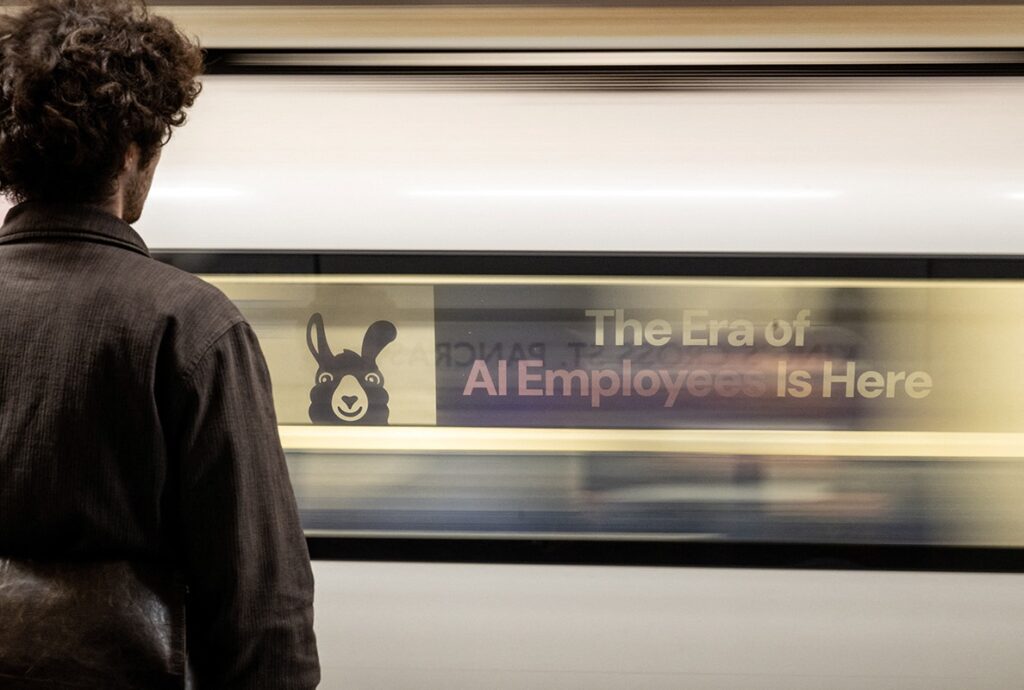
I’m a fan of practical AI tools, but conscious of the broader dangers involved.
‘The Vatican’s AI Battle’ was the rather alarmist subtitle of Heart and Soul (BBC World Service, Friday). The issue raised was “What a God-like Artificial Intelligence might mean for humanity”. American priest in the Vatican, Fr Michael Baggot, who lectured in AI and ethics, wasn’t by any means in battle mode, but took a reasoned, curious, scientific and ethical approach. Fr Baggot was from a family of lapsed Catholics, agnostic until an internet search on Catholicism set him on the road to the priesthood. He was “absolutely thrilled” when Pope Leo XIV was elected and pleased with progress so far – “he has exceeded our expectations”. Perhaps too much time was spent on this, but it soon became relevant when they got to discuss the Pope’s Encyclical on AI matters. Presenter Isobel Cockerell said the Vatican was mounting a “formidable response” to the growing power of Silicon Valley. She said that Rome had become a hub for some of the most forward-thinking discussions on AI. There was a specific Irish interest, as Bishop Paul Tighe had been involved in high level discussions on AI issues years before the likes of ChatGPT became a thing.
Issues raised included how AI might serve all humanity, how sometimes developers might have the technical skills, but without having insights into the future of humanity, how the Church could employ developments in technology to transmit the faith. Fr Baggot found that some claims for AI were of a “messianic or quasi-religious” nature, with talk of “magic intelligence in the sky” and a “digital god”. It felt like Tower of Babel territory. There was an interview with ‘anti-aging guru’ Bryan Johnson who spoke of creating a super-intelligence, in a way creating god. We heard of “transhumanism” – creating “perfected post-human beings”, with human brains and AI connected, to make beings that were part human part robot. The presenter wisely suggested that this talk of a super race was “uncomfortably close to eugenics”. Fr Baggot thought we should take time to consider mortality and make important decisions on how to serve other people during the limited time we have. In pursuing this he believed “the moral voice of the global church is strong”. The programme signed off with an important thought, echoing the Pope’s Encyclical – “what it means to be human in an AI dominated world”.
Meanwhile, the fallout from the M9 crash reverberated through last week, and a similar tragic event in England last weekend ensured that the issue of dangerous driving remained high in the public consciousness. One interview that struck me was on Morning Ireland (RTÉ Radio 1, Thursday). Elber Twomey spoke of losing husband and children in a car crash caused by a suicidal driver in Torquay. One of the children killed was her unborn daughter and I thought it was significant that the unborn child was named – Elber-Marie. Since then, she has worked with UK police and the Gardaí in the difficult area of police pursuits. She showed great dignity and humanity in her contribution, feeling for the victims, the first responders, the gardaí, the affected communities and even the young perpetrators. She saw the need for pursuit training, greater garda numbers involved in traffic policing and more garda visibility on the roads.
Also on Morning Ireland, on the Friday, Bishop of Kildare and Leighlin Denis Nulty walked a difficult line in showing sympathy for all involved, including the families of those young perpetrators who had died. While he shared “that widespread revulsion, upset and anger” that people felt, he wanted the heartbroken families of the deceased to be given time to grieve and wondered if the public needed to know all the background details. It was important he said to have interventions with young people at an earlier stage in their lives, and for us all to look at our driving habits. He supported an impending vigil to show solidarity with the injured – a dignified event covered prominently on that night’s Nine O’Clock News on RTÉ.
Finally, in Thursday’s It Says in the Papers, there was a reference to the death of trailblazing nun, Sr Mary Threadgold who had worked with dementia patients – she had developed a system now used worldwide, using communication, touch, memories and music. She wanted everyone with dementia to retain their individuality and dignity.
Pick of the week
Scannán: Quiz Show
TG 4, Saturday, August 29, 9.15pm
(1994) Starring Ralph Fiennes, John Turturro and Rob Morrow. Directed by Robert Redford. A young lawyer, Richard Goodwin, investigates a potentially fixed game show. Moral dilemmas treated intelligently.
Songs of Praise
BBC One, Sunday, August 30, 1.15pm
Sean Fletcher is in London to meet young footballing superstar and proud England Lioness Michelle Agyemang as she shares her remarkable journey of faith.
Mother Teresa: No Greater Love
EWTN, Sunday, August 30, 8pm
Filmed on 5 continents, with commentary from prominent Catholics, this unique documentary film is a soaring tribute to Mother Teresa’s singular vision to serve Christ through the poor, one that lives on through the Missionaries of Charity.