What is reality? Is it the same as cinematic realism? In times past we treasured our screen heroes. Then The Morning After Optimism – to quote playwright Tom Murphy – arrived.
The first time I saw a celluloid icon being toppled from his perch was in Doc in 1971. Harris Yulin played Wyatt Earp as a rather unsavoury character. Then we had Michael J. Pollard doing an unflattering Billy the Kid in Dirty Little Billy.
Kirk Douglas gave both heart and soul to the part of Vincent Van Gogh in Lust for Life, showing us the artist in all his fallibility. After John Wayne saw the film he said to him, “Why do you play weaklings?”
He couldn’t understand the fact that vulnerability humanises someone more than machismo. Wayne got Carl Foreman thrown out of Hollywood for writing fear into the character played by Gary Cooper in High Noon.
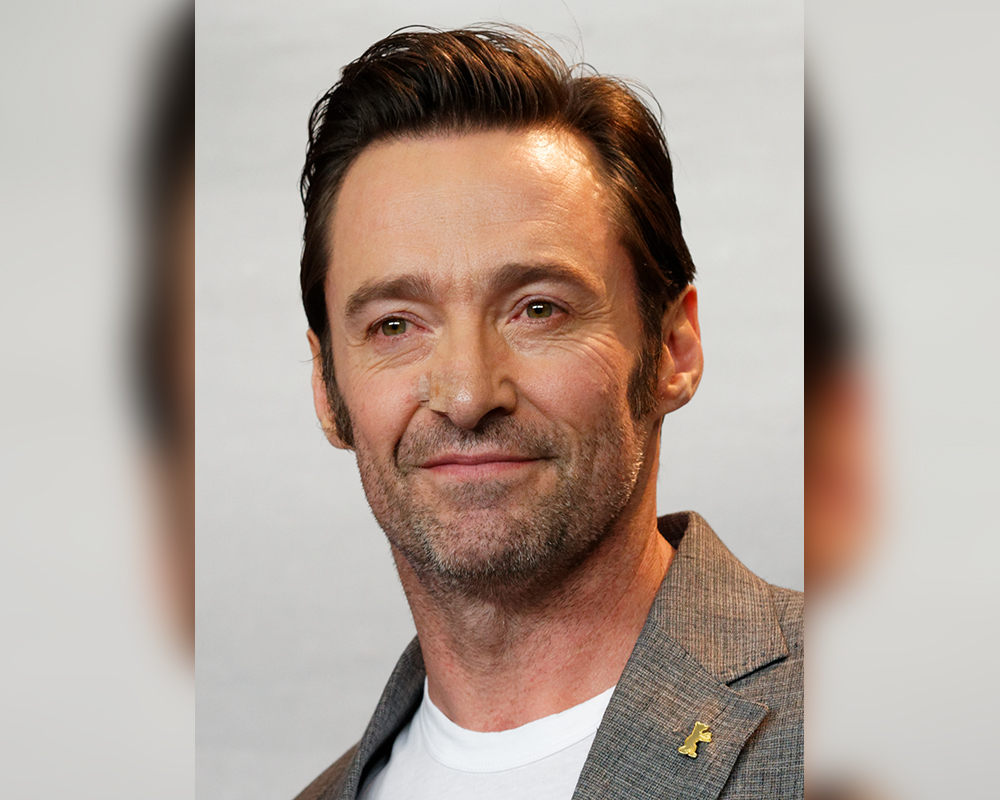
Now we have another folk hero being unpicked in Michael Sarnoski’s The Death of Robin Hood (R). Hugh Jackman plays the grizzled hero as, to quote himself, “a murderous brigand.” The initial scenes, be warned, graphically testify to that.
He engages in some almost unwatchably graphic acts of violence. Afterwards, his wounds are tended to by a kindly nun, Sr Brigid (Jodie Comer), in a priory on a remote island with apples, pears and elderberries.
Savagery gives way to tenderness. “Knives can be used to cut bread as much as flesh,” she points out, “It’s a question of balance.”
Sarnoski achieves that balance. The film settles down to a ponderous study of healing with Sr Brigid and her leprous caretaker (Murray Bartlett).
It’s a rich cinematic experience, its moodiness suffused with a druidic charm. Thundering Celtic music is interspersed with scenes where a reformed Robin – now calling himself Randolph – bonds with Brigid and an enchanting orphan child (Faith Delaney) with hair as red as “the setting summer sun.”
Comer is suitably regional as Sr Brigid but her face is too modern. And her hairstyle resembles a 1960s bob – a bit unsettling for a film set in 1427.
There’s no Maid Marian, no Friar Tuck. Little John’s character and circumstances are skewed beyond recognition from previous versions.
Jackman is more Wolfman than Robin. He cuts a Moses-like figure on the desolate landscapes, juggling between the primitive parameters of Revenge Tragedy and the more Christian virtues advocated by Sr Brigid. They engage in a kind of Biblical dialect together.
Forget the mindless swashbuckling of Douglas Fairbanks and Errol Flynn. Forget the derring-do of Sean Connery. Forget Kevin Costner’s ‘Americanised’ Robin. Even forget Russell Crowe’s initial demonisation of Robin in 2010.
Jackman ramps that up to Richter scales here with his ‘outlaw’ status. But then Sarnoski, having set himself up as an iconoclast extraordinaire, lets his film go from bang to whimper in its elegiac final reel.
Demythologisation reverts to part-resurrection as the world-weary arrowsmith who once gave ‘silver to the meek’ seeks an elusive peace.