Cameroon is experiencing a surge in frequently deadly violence against women, with eight women reported killed over a ten-day span last month and no fewer than 72 women slain in the country between January 1 and April 4 this year in the central African country of 31 million.
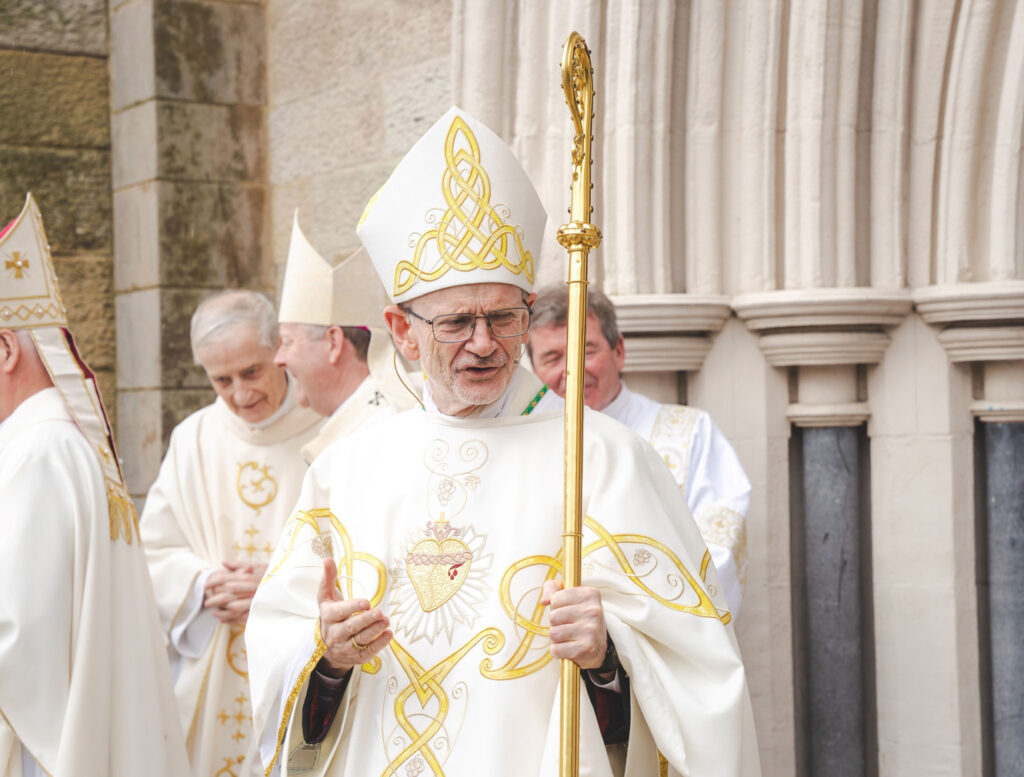
The outspoken Bishop John Berinyuy Tatah, auxiliary of the Bamenda archdiocese in Cameroon’s English-speaking North West region, is urging action to prevent the killing of women and girls in the country.
“An attack upon the life of any woman is an assault upon her God-given dignity,” Tatah told Crux Now.
The prelate told Crux Now he has “accompanied families through suffering and bereavement,” and knows how “such violence leaves wounds that can endure for generations.”
According to Cameroon’s Minister of Women’s Empowerment and the Family, Prof. Marie Therese Abena Ondoua, reports include cases of intimate partner violence, serial predation, and suspicious circumstances authorities are still working to unravel.
Perhaps the most harrowing case emerged in Douala on August 22, where a 34-year-old victim identified as Modestine was allegedly butchered by her husband.
The cluster of deaths has ignited a fierce public outcry over femicide in the country, which paradoxically celebrated just last month a long-sought tournament victory in the Women’s Africa Cup of Nations.
Tatah told Crux Now he has been “deeply saddened” by the murders. “Behind every number is a human face,” he said, “a daughter, mother, sister or wife, loved by God and precious to a family and community.”
Describing the crime of femicide as “a grave violation of the sanctity of human life,” Tatah said it “contradicts both the Gospel and Catholic social teaching, especially the principles of human dignity, solidarity and the protection of the vulnerable.”
Bamenda University professor and social activist Eileen Tabuwe Akwo told Crux Now “there can be no justification for killing women and girls for whatever reason.”
“When we look at most of the reasons that have been proffered for the acts, it all comes back to what men believe they are owed by women,” she said.
“Either they claim the woman cheated or she wanted a divorce or she exploited them financially,” she said.
“If we get to the bottom of it,” the academic and activist said, “we’ll find toxic masculinity and a society that aligns with the thinking that men are superior and should have control over women as their wives or girlfriends.”