In the heart of a city long scarred by division, the pipes and fiddles of Fleadh Cheoil na hÉireann sounded a note of quiet triumph at the weekend.
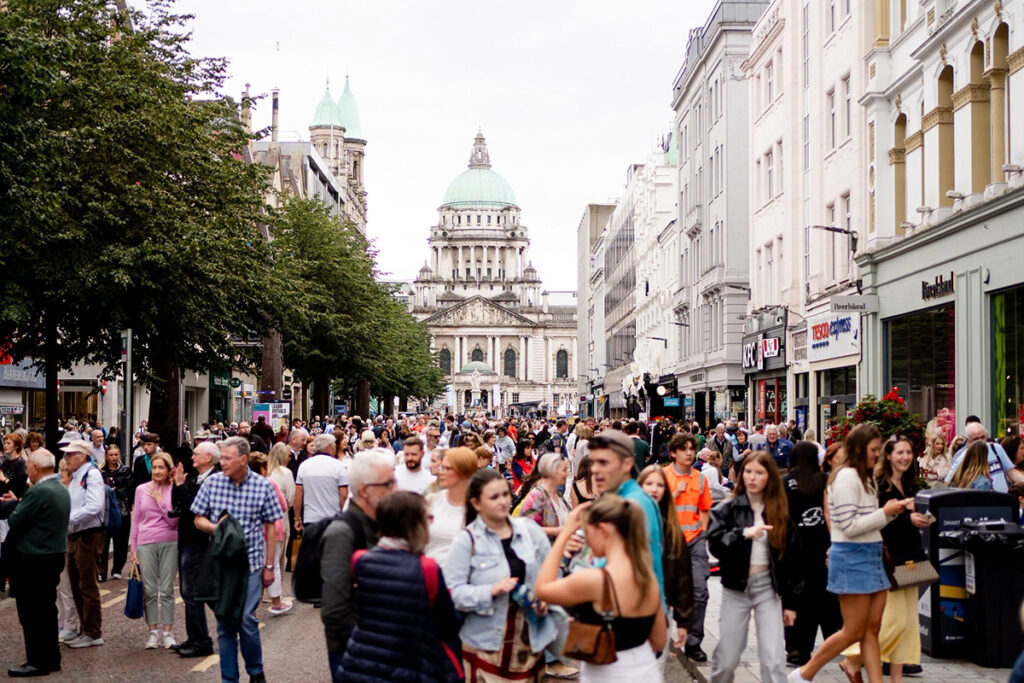
For the first time, Belfast hosted the world’s largest celebration of Irish traditional music, song, dance and language – drawing more than a million visitors.
That this festival of nationalist cultural expression unfolded so freely, and so inclusively, in a place once synonymous with sectarian strife marks a profound shift.
The main events of the fleadh took place in the shadows of Belfast City Hall. The founding fathers of unionism, who signed the Ulster Covenant in the building in 1912, could scarcely have imagined such a scene.
It’s worth recalling just how far Belfast has come. It is less than 30 years since the city had the first Catholic sit in the chair of the lord mayor. When Alban Maginness was elected in 1997, it marked a wider shift in a state created in the 1920s to have permanent rule by the Protestant majority.
The architects of the northern state, most notably Sir James Craig, the first prime minister, and Sir Edward Carson, the charismatic leader of Ulster unionism, sought to secure a state that would remain British and predominantly Protestant.
Mr Craig’s infamous declaration of a “Protestant Parliament and a Protestant State” was more than rhetorical flourish; it reflected a deliberate cultural posture.
Thirty years of violent sectarian conflict has left scars in Belfast, but the atmosphere of the fleadh showed a city and a people determined to look to the future with optimism and hope.
The triumph of the fleadh should in no way be seen as triumphalist. The experiment in supremacism that was the first 50 years of Northern Ireland, stands as a warning from the past about seeing culture as a way of dominating other people.
What the fleadh shows is that different identities can sit side-by-side, without threatening one another. The culture of one particular community or group of people ought not to be exaggerated at the expense of another group, nor should anyone feel threatened or undermined by the celebration of the identity of one community.
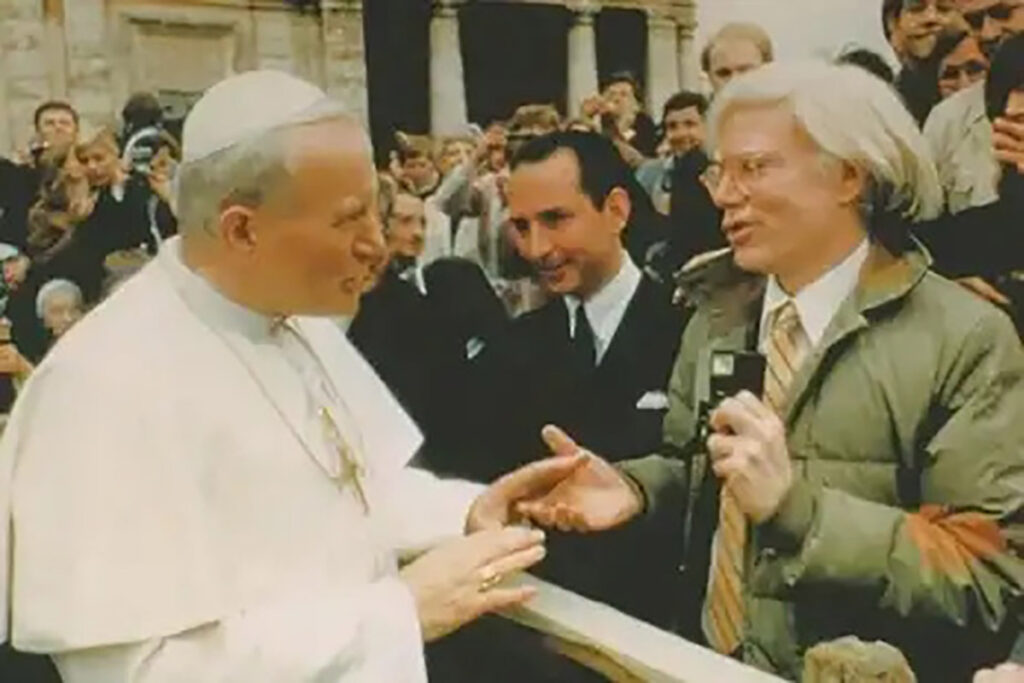
This approach is of the essence of Catholicism. Pope St John Paul II encapsulated this when he wrote: “Thus the need arose for a dialogue between people of different cultures in a context of pluralism that goes beyond mere tolerance and reaches sympathy”.
This is vital for us as the conversation continues about the future of relations on this island.
The great statesman John Hume often recalled how as a young man he had been intrigued by the politics of nationalism, before his father warned him about the hollowness of waving flags: “You can’t eat a flag, son” he would often quote his father as saying.
Mr Hume was the first to speak about the idea of an agreed Ireland, rather than the binary notion of a united Ireland. A new country, he argued, would only be united in as much as the people – in all their diversity – were united.
The Church has a vital voice here, and should ask the questions that politicians may often find irksome. What sort of country would a united Ireland be? What set of values would underpin it? What would separate it from every other liberal democracy in the world? Would it exist to serve the people – especially the most vulnerable – or the market?
These questions are much more important than whether a post-box would be green or red, and are at the very essence of what the project to create a better society should be about.
At the weekend in Belfast, First Minister Michelle O’Neill and deputy First Minister Emma Little-Pengelly stood together to declare that culture need not divide, that the event belonged to all who call Northern Ireland home. President Catherine Connolly spoke of music’s universality.
The founders of Northern Ireland sought to safeguard a particular cultural order. A century later, their city has shown that order need not be exclusive. Belfast’s Fleadh of 2026 will be remembered not merely for its music, but for the possibility it embodied: that a society once organised around antipathy can choose, instead, the richer harmony of shared celebration.