“A miserable thing to be a woman”: Mary-Anne Tyrrell (1821–94) and her landed estate,
by Lesley Whiteside
(Four Courts Press, €12.95)
I approached this book with a great sense of anticipation having known of the Tyrrells of the Carbury area, from spending many happy weeks of my childhood right beside Grange Castle Edenderry, where many of them lived down the centuries.
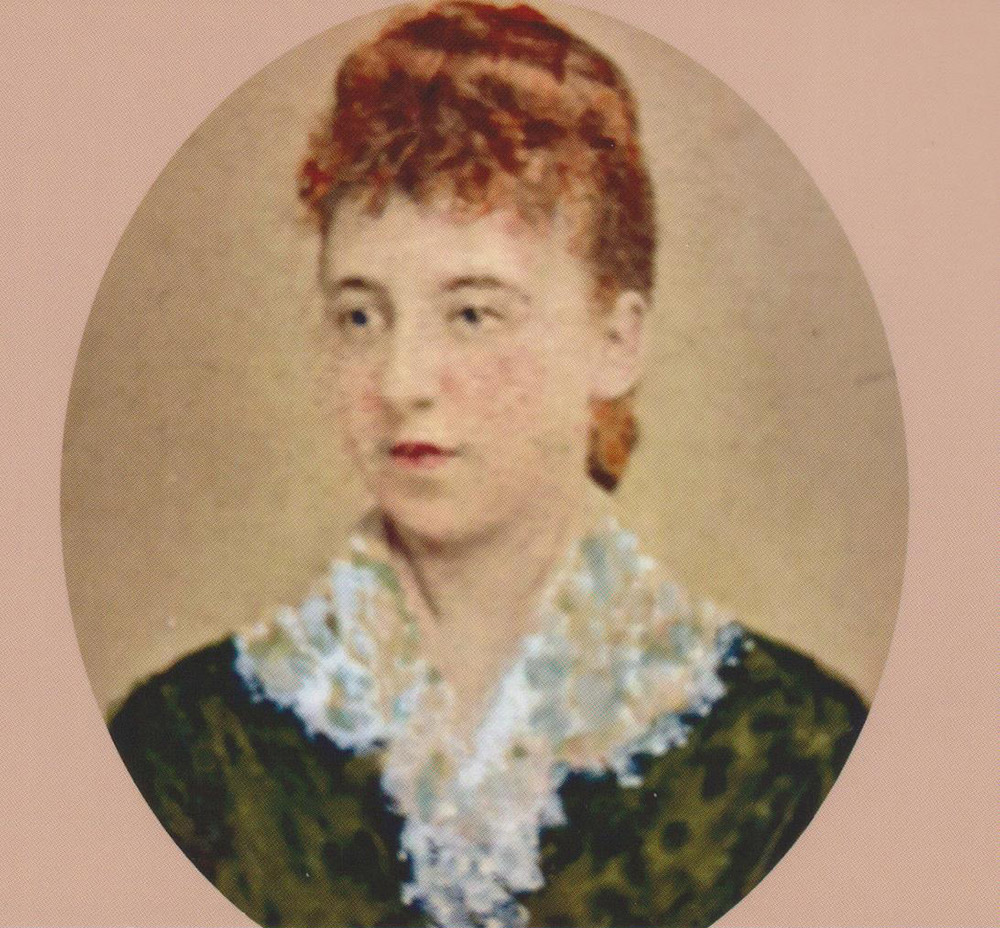
My aunt and uncle lived in Grange House just beside the castle and there was constant conversation about the various Tyrrells who lived in Ballindoolin, which was just down the road from Grange and Carrick Hill, and also the Tyrrells of Ballinderry where the subject of this book married into, became a young widow, lived and managed her land and in 1894, died at the age of 73.
Challenges
Mary-Anne Tyrrell lived through tumultuous times, the Famine, the rise of cattle and beef farming leading to a contempt for tillage, the land agitation leading to the Land Acts and, in the background, the ever-present awareness that she and the Tyrrells were Protestants in a land of Papists.
At just 78 pages, it’s a short book. The many strands touched in the book could have been expanded and the reader would have been left with a more complete understanding of the times and dilemmas faced by Mary-Anne Tyrrell.
Readers seeking more might turn back to the author’s earlier book of 2024, Farming and Society since 1700 in the Barony of Carbury, Co. Kildare (Four Courts Press, €12.95.)
It is the lack of recognition of the capacity of women to play their part in civil society that so clearly frustrated Mary-Anne”
As a Protestant family who held onto their land through the turbulence of conquest and plantation, their family history is unusually complete. Most of their Catholic counterparts, as the author points out, cannot trace back as clearly due to the confiscations of the Cromwellian and Williamite plantations, plunging many of them into poverty.
It is this unusual continuity dating from Norman times, coupled with adequate wealth and a sense of civic duty, as well as the opportunity to exercise it that distinguished the Tyrrells from many of their more recent landowning counterparts.
It is the lack of recognition of the capacity of women to play their part in civil society that so clearly frustrated Mary-Anne. She managed her land through an agent, though we are never told how much land was involved, except that the main farm had almost 600 acres, though much of it was bog, but some of it could fatten bullocks – the ultimate accolade for land in a beef-dominated farming community.
The agent who looked after the letting of the land and presumably collected the rents on her behalf is named as Hamilton, who was, it is explained in the excellent notes at the end of the book, one of the Hamiltons who were the hereditary agents for the Dukes of Leinster.
Famine
There are several references to famine cabins on the land and the miserable occupants being helped on the way to emigrate to America as the land presumably reverted to grass for the grazing and fattening of cattle. But then in the middle of all this, in 1864, Mary-Anne made a two-year sojourn to the Boulogne region of France where she made real friends with some French officers (despite them being Catholic!).
She came home to come face-to-face a few years later with the traumatic murder of her sister Harriet, with whom she never had a close relationship, though she made every effort to get justice for her murdered sister, going as far as writing to the Lord Lieutenant Earl Spencer.
As her life drew to a close, she could reflect on having not only held her land holdings intact and improved, but also having reared her three surviving children to be successful and balanced members of society with her son Garrett being described as talented, industrious and sober.
This book represents an amount of deep research into a little studied area – that of the small landlords and their role in national and local affairs. Its additional element of a young widow coping with the wrenching changes of the time in agriculture and politics makes it a compulsive and fascinating read.
Matt Dempsey is a columnist on the Irish Farmers Journal, of which he was formerly editor.