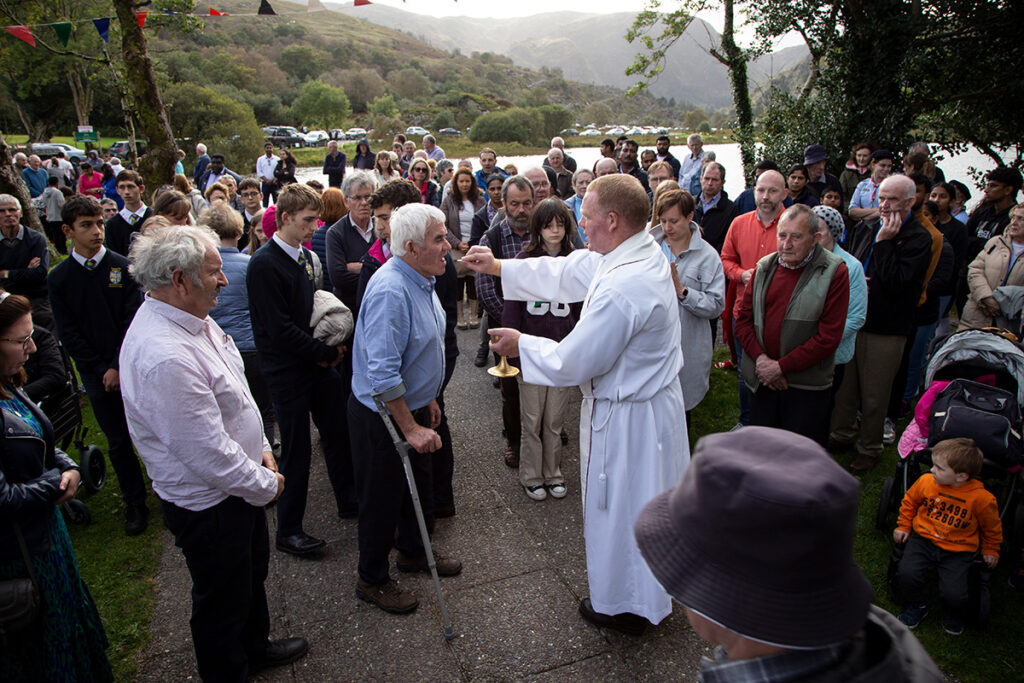
The Irish Catholic Church may be facing a decisive opportunity in the 2021–2028 synodal process. Although The Irish Catholic and other Catholic publications have reported on the Vatican Synod and the Irish Synodal Pathway, there is a troubling gap between their importance and their visibility in ordinary parish life. Many practising Catholics remain only vaguely aware that the process continues, while parish structures often show little sustained engagement. Renewal will depend on active lay leadership, genuine co-responsibility between clergy and laity, and a gradual movement towards meaningful co-governance. If responsibility is not matched by influence, synodality may appear to be consultation without consequence.
Perceived disconnect between the Synod and parish life
My conversations since 2021 with mainly older, deeply faithful parishioners revealed hope and anxiety. They wanted substantial reform and Pope Francis’s pastoral direction yet doubted whether change would occur or the hierarchy would enable it. At parish level, the Synod was largely absent from preaching and Parish Pastoral Council agendas. This uncertainty has fostered scepticism and cynicism. Faithful people may not invest energy in a process whose outcomes they distrust.
A small but seemingly representative Zoom meeting of priests suggested similar unpreparedness among clergy. Participants faced ageing, declining numbers, limited time, heavy responsibilities, and little formation for divisive questions concerning ministry, sexuality, family life, and lay participation. A circular failure of initiative results: clergy wait for councils and lay people to engage, while lay Catholics wait for direction and institutional permission. Both groups must break the impasse together, encouraged by the Vatican Synod’s mandate.
Irish Synodal priorities and a new distribution of responsibility
The Irish Synodal Pathway’s seven themes—belonging; co-responsibility and lay ministry; faith formation and catechesis; family; healing; women; and young people—capture the main pastoral concerns emerging from consultation and are critical to the Church’s credibility and public relevance.
Clericalism must be dismantled, as Pope Francis has urged, while ordained ministers continue to sustain the Eucharist and other sacraments”
Renewal cannot be achieved by the hierarchy alone. Lay Catholics must become major agents of change, bringing lived faith, professional competence, and experience of contemporary society into the Church’s discernment and mission.
As the Irish Synodal Pathway completes its recommendations, the Church faces a decisive juncture. Qualified lay theologians, canon lawyers, catechists, and other professionals should assume greater leadership, allowing clergy to focus on indispensable sacramental and pastoral duties. Clericalism must be dismantled, as Pope Francis has urged, while ordained ministers continue to sustain the Eucharist and other sacraments. This is the spirit of synod—a “walking together.” Divisive issues need the lived experience of the individual sensus fidei and universal sensus fidelium alongside hierarchical authority. The Church can preserve its traditions, theological principles, and social engagement while addressing difficult questions through the faith of the whole people of God.
Co-responsibility as the foundation of renewal
Co-responsibility is the document’s central principle. Belonging, healing, family ministry, formation, outreach to young people, and women’s participation depend on structures where people contribute their gifts, influence decisions, and share accountability. Women and men should work with clergy in shaping pastoral life, with participation based on competence, trust, mutual respect, and shared responsibility rather than token representation.
Shared work should build trust, competence, and commitment. Giving lay Catholics responsibility without meaningful influence discourages those whose skills are needed. A credible prospect of co-governance could re-engage experienced, spiritually committed Catholics. This need not mean an abrupt transfer of authority; it should emerge through demonstrated competence, mutual confidence, transparent structures, and fidelity to the Church’s sacramental identity.
Personal experience of parish structures
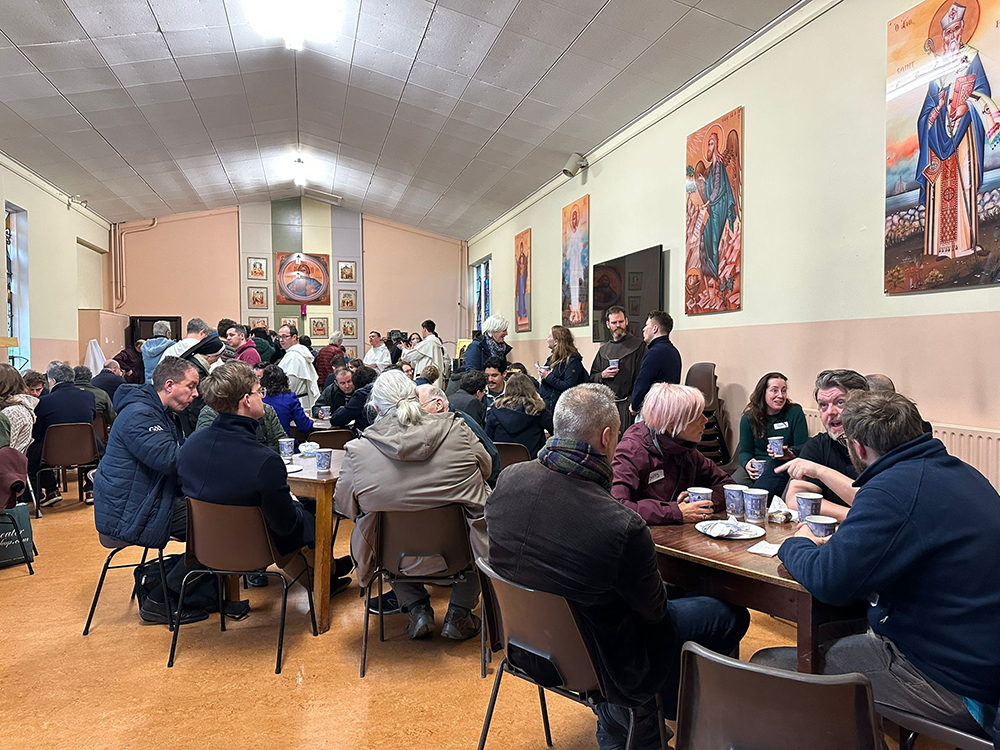
My parish has considerable vitality through lectures, music, prayer, youth activity, children’s formation, charitable outreach, marriage preparation, and sacramental ministries. Its Centre for Faith and Reason, links with the University of Notre Dame, and support from the House of Brigid show a strong capacity for ambitious initiatives.
Despite these strengths, the Parish Pastoral Council did not embody the missionary and synodal purpose described in diocesan formation. Meetings centred on maintenance, finance, and internal affairs rather than representation, discernment, collaboration, or outward mission. Interfaith dialogue met resistance; parishioners received little information about the Synod; and cooperation among five parish partners was minimal. I declined extended council service while remaining active in choir, Taizé prayer, and other ministries. Worthwhile programmes do not necessarily integrate synodality into governance, communication, and mission.
Formation, training, and organisational development
A 2021 diocesan session described Parish Pastoral Councils as instruments of “missionary not maintenance.” The gap between vision and practice is organisational as well as theological. Volunteer trainers, Organisational Development consultants, and other parish professionals could improve change management, communication, representation, and decision-making. Effective councils need trust between pastor and community, broad participation, transparency, accountability, and spiritual discernment.
Formation should prepare clergy and laity for conflict, difficult social questions, and shared leadership. T. S. Eliot’s words encourage older members: “Old men should be explorers”; it is never too late to begin anew.
Mission, interfaith engagement, and cultural competence
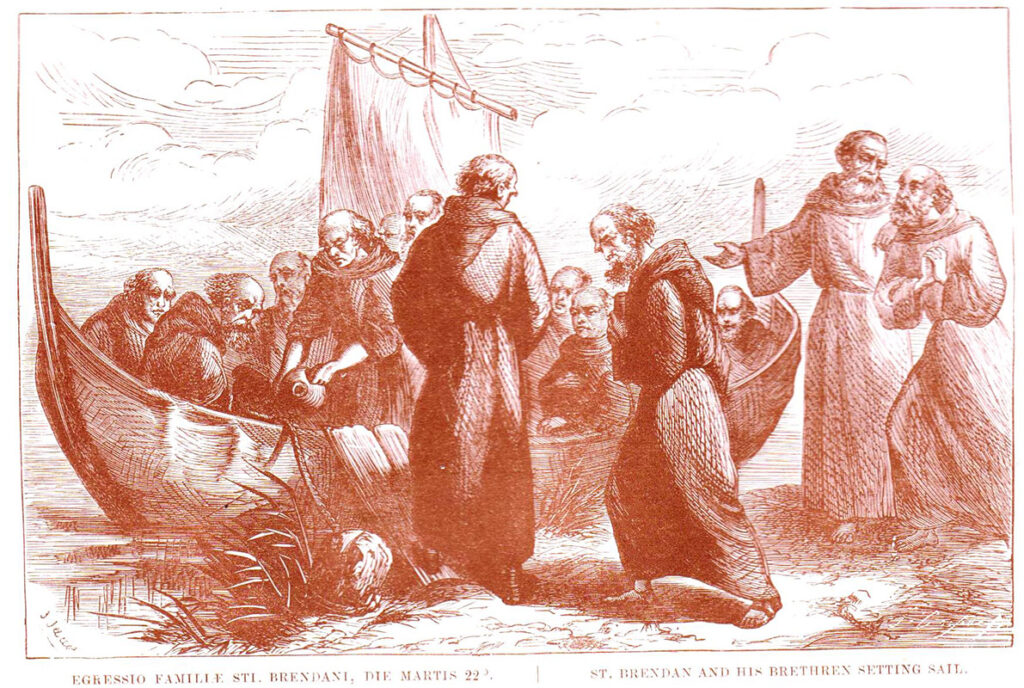
A synodal Church must move from maintenance to mission: Duc in altum—“Put out into the deep water, and let down the nets for a catch” (Luke 5:4–6).
Business as usual risks irrelevance. Mission carries Jesus’s lived message beyond familiar settings, meets others within their religious and cultural environments, and recognises every person’s dignity. In multicultural Ireland this requires interreligious literacy, cultural competence, humility, curiosity, and attentive communication. Interfaith dialogue is therefore a practical expression of Christian equality and a necessary part of contemporary mission.
Parish partnerships should nominate representatives so dialogue enters ordinary pastoral planning. Clear objectives, resources, reporting, and evaluation”
Recommendation: The Archdiocese should establish a Ministry for Interfaith Dialogue, led by a qualified lay or ordained coordinator and advised by faith-community and parish representatives. It should provide formation, create parish resources, maintain relationships with faith leaders, coordinate dialogue and service, and advise diocesan bodies. Parish partnerships should nominate representatives so dialogue enters ordinary pastoral planning. Clear objectives, resources, reporting, and evaluation would make the ministry a visible expression of synodal mission.
Historical context and final assessment
Ireland’s limited synodal dynamism reflects clerical abuse scandals, public controversy, declining morale, an ageing practising population, and a hierarchy absorbed in damage control. This retreat is understandable but has constrained imaginative engagement with the Synod. It recalls the uneven reception of the Second Vatican Council amid rapid social change. Small steps taken after Vatican II may now bear fruit through synodality, a delayed continuation of the Council’s call to participation, dialogue, and engagement with the modern world.
My discernment over the past five years is both warning and appeal. Timidity, poor communication, inadequate formation, clericalism, and committee habits could squander this opportunity. The response must be courageous, prayerful, trained, and accountable collaboration among bishops, clergy, religious, and lay Catholics.
The Synod should be communicated consistently; pastoral councils should become representative, transparent, discerning, and mission-focused; lay expertise and ministry should be empowered; interfaith dialogue and cultural competence should be embedded; and overburdened clergy should be relieved. Co-responsibility should mature into co-governance, aligning responsibility with authority. The Church may become smaller but more authentic, imaginative, and missionary. Renewal requires sacramental fidelity, structural reform, honest engagement with difficult questions, welcome for unfamiliar people, and action before the opportunity passes. Irish Catholics must stop waiting for others to lead and walk together, using their diverse gifts to renew the Church’s witness.
All the while as we ask ourselves, “What would Jesus do?”
Donal Coleman is a parishioner of the Newman University Parish in Dublin and a former member of its pastoral council.