“Maureen didn’t die with her family around her. She died alone, far from home, in circumstances that are now being questioned by those who loved her most. We need to ensure that vulnerable individuals and our family members are protected under Irish legislation,” said Aontú TD for Mayo, Paul Lawless, describing the tragic death of Maureen Slough as a stark warning to Ireland as the Oireachtas continues to debate assisted dying laws.
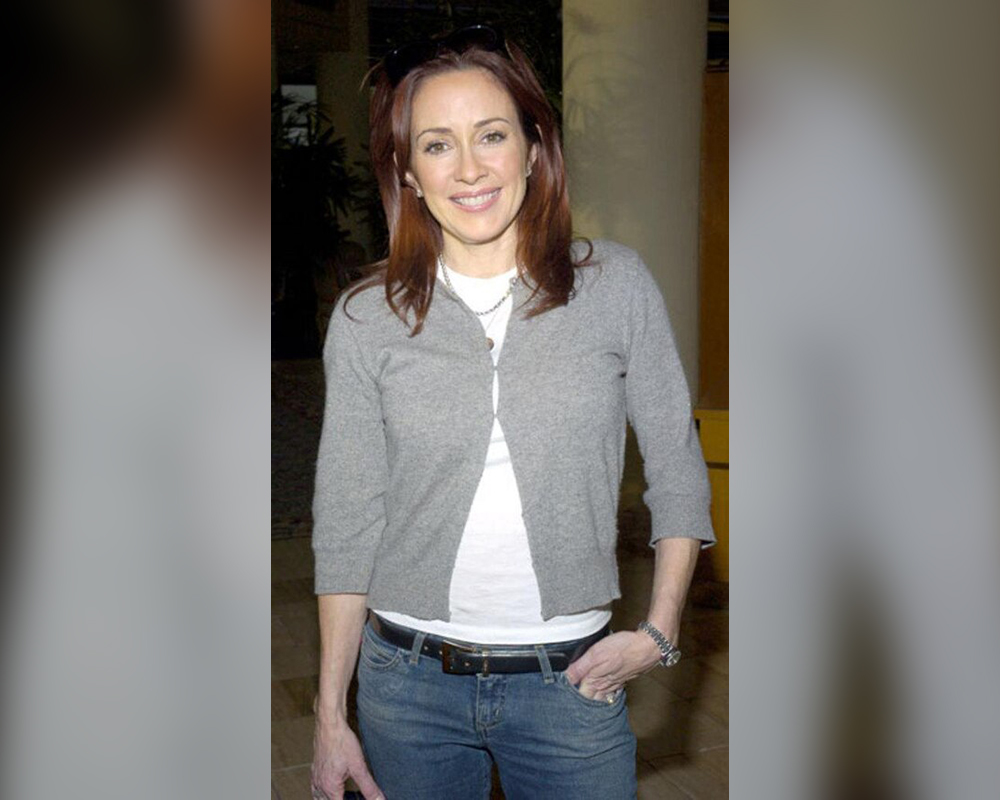
Ms Slough, a 58-year-old mother and retired civil servant from Cavan who had a history of mental illness, died last month at the Pegasos clinic in Switzerland. Her daughter and partner only learned of her death through a WhatsApp message from the clinic, informing them that her ashes would be sent by post.
Speaking to Newstalk, her daughter Megan Slough Royal said she had spoken with her mother as normal the night before, unaware she was contemplating assisted suicide. “She needed help, not an ending,” Ms Slough Royal said, describing her mother as a “happy, young, vibrant woman” who had been excited about her new grandchild.
Mr Lawless pointed to the overwhelming opposition from Irish palliative care doctors, who warn that assisted suicide undermines patient safety and could put vulnerable people at risk. The Irish Association for Palliative Care has said euthanasia and assisted suicide are incompatible with holistic and compassionate end-of-life care, while the Royal College of Physicians in Ireland calls such measures “contrary to best medical practice”.
“Many people who request assisted suicide do so because they feel as though they are a burden to their families,” Mr Lawless added. “Legalising assisted dying sends the message that some lives are worth less, that some people are less worth protecting. That is a dangerous and inhumane path to go down.”
In correspondence with The Irish Catholic, leading Catholic bioethicist Fr Tad Pacholczyk of the US-based National Catholic Bioethics Centre warned that such cases are part of a broader bioethical challenge that can no longer be dismissed as “distant” concerns. He urged Catholics to inform themselves on Church teaching and to meet those who suffer with steadfast love, recognising that each person is “uniquely precious” regardless of illness or disability.