In churches across Ireland, people with disabilities and their families can often feel excluded from community life, particularly when attending Mass. For some, the sensory overload of a typical Mass – with its smells and bells – can be overwhelming. To be clear, this isn’t just an issue for families with children on the spectrum but something which affects people of all ages with various disabilities – whether sensory, physical, or cognitive.
In response to these needs, sensory-friendly Masses (SFM) have begun to spring up, offering a more accommodating and welcoming environment where people can worship together freely.
At Knock, they found peace. A place without barriers to community for people with disabilities”
“The sensory-friendly Mass at Knock Shrine is the only time we can attend Mass together as a family,” said Ms Nicola Mitchell, director of Youth Ministry at Knock Shrine, as she described the experience that many families have had to deal with. Long had they felt excluded, facing disapproving glances and tsk-tsks from churchgoers. But at Knock, they found peace. A place without barriers to community for people with disabilities.
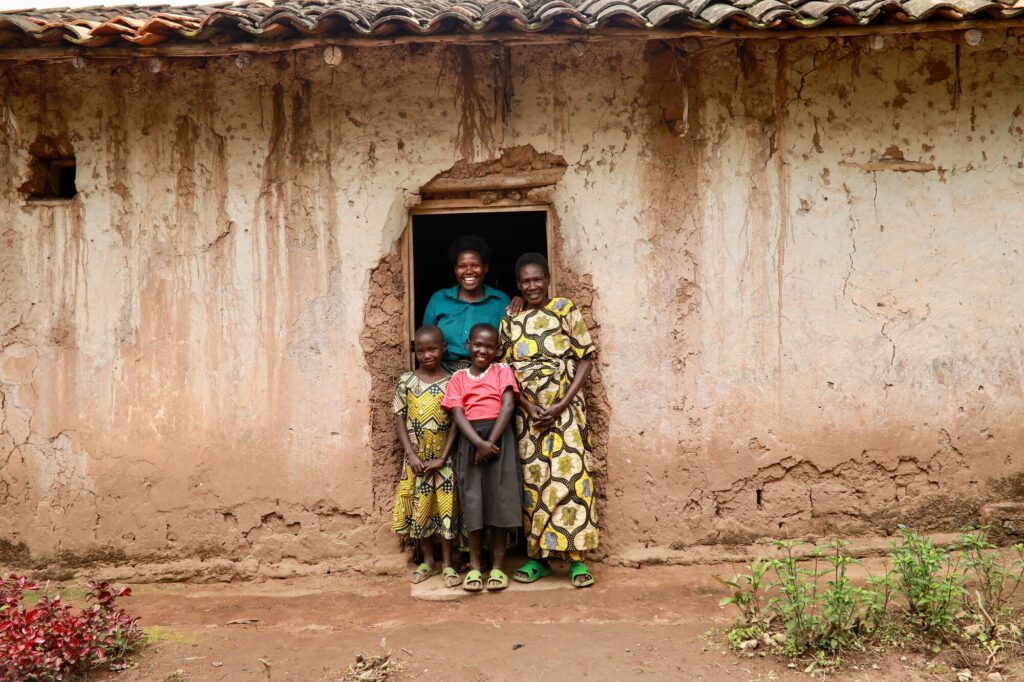
The reality, however, is that many people across Ireland—families with neurodivergent children or persons who experience sensory overload. As a result, families often opt to attend Mass separately: one parent attending Saturday evening and the other Sunday morning. Some families may even stop attending altogether.
At St Colmcille’s in Belfast, Ms Noeleen Dunn, a grandmother of two children with autism, noted that she often had to sit at the back of the church to accommodate their need for personal space. And though some churches have begun offering sensory rooms, it is not something open to many parishes struggling to make ends meet, let alone rejig their buildings. Ms Dunn expressed that many families, especially those with nonverbal children, opted to stay away from Mass because they felt unwelcome.
The SFM doesn’t have a fixed format. Its is an evolving process. One which requires constant feedback from the community and a willingness to adapt.
At Knock Shrine, Ms Mitchell described the Mass as a space where people are free to come as they are. “By allowing people to walk around, sing, or make noises, we help them feel welcome with smiles and a calm environment,” she explained.
Before the Mass begins, Fr Richard Gibbons PP, personally greets the congregants, making it clear that they are free to move around and make any noise they wish.
Features
Other features include dimmed lights, no music, shorter homilies or more tangible homilies, along with the use of ‘social stories.’ Short, personalised narratives that use visuals and text to explain social settings and situations. These help children with autism become familiar with the space and structure of the Mass. Similarly, St Colmcille’s offers tools like noise-cancelling headphones, visual aids, and fidget toys, adjusting the environment with softer music and reduced microphone volume.
In all of this, Ms Mitchell stressed that these efforts are ongoing, noting, “We don’t have all the answers or the perfect system, but we are here to listen and to learn.”
As to its success, Ms Mitchell explained that one family drives two and a half hours to attend this Mass so they can finally go as a family. While they have only had a handful of Masses so far, community-wise, Ms Mitchell spoke of getting to know the kids—the regulars—and how now they are greeters, welcoming others in. Taking on a role there and making it their own. Of course, you have to have tea and coffee afterward to make friendships.
As to its origins, the idea for the SFM at Knock Shrine began through conversations with families. Ms Mitchell explained that the idea emerged after discussions with parents who felt their needs weren’t being met in traditional services. The Masses, held on the last Sunday of each month, provide a space for families to attend together without the fear of exclusion.
‘You can’t make a mistake if you are welcoming people,’ she said, ‘and we are always learning from families and parishes’”
At St Colmcille’s, the idea was inspired by resources from the US, which Fr Conor McGrath, PP, stumbled upon. Fr McGrath then applied these resources to his own church context for individuals with autism, ADHD, Asperger’s, and the elderly, especially those with dementia or Alsheimer’s. Both parishes saw a common issue and sought to address it.
These initiatives aim not only to provide a welcoming space for families with disabilities but also to raise awareness within the broader Irish Church community about their needs. Ms Mitchell noted that one of the goals is to inspire other parishes to see the possibilities for serving individuals with disabilities.
“You can’t make a mistake if you are welcoming people,” she said, “and we are always learning from families and parishes.”
Trend
This movement is part of a larger trend in the Church, with figures like Fr Matthew Schneider, a priest with autism, leading the way in raising awareness and providing resources on his website for neurodivergent individuals.
Fr Schneider, a content creator as well, encourages individuals to care for themselves, saying, “The obligation to go to Mass is to make a sincere attempt, not necessarily to make it if it’s impossible.” And he constantly makes it clear that God meets us wherever we are, regardless of our struggles.
All in all, these conversations are gaining greater focus. As this movement grows, there is hope that more parishes across Ireland and beyond will follow the example set by Knock Shrine and St Colmcille’s, ensuring the Church becomes a welcoming home for all.