‘There will be a next chapter for the Irish Church’ – Primate
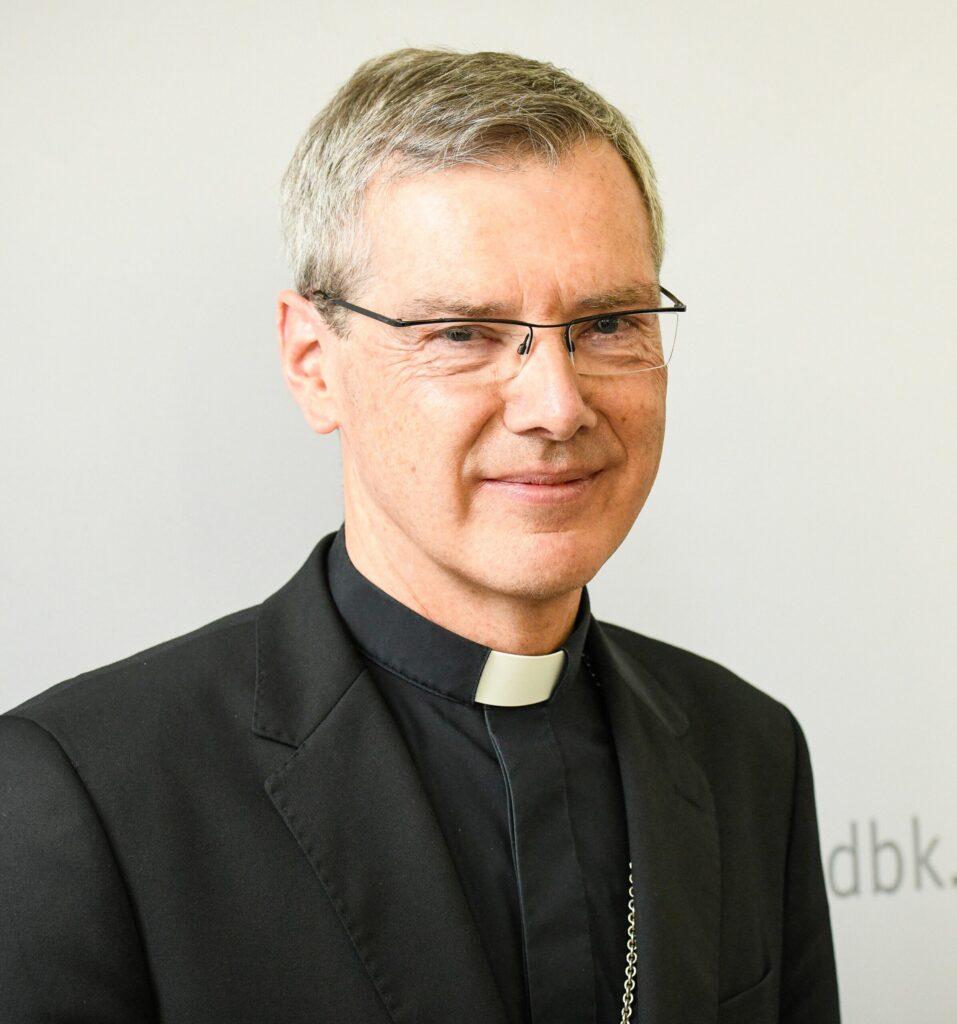
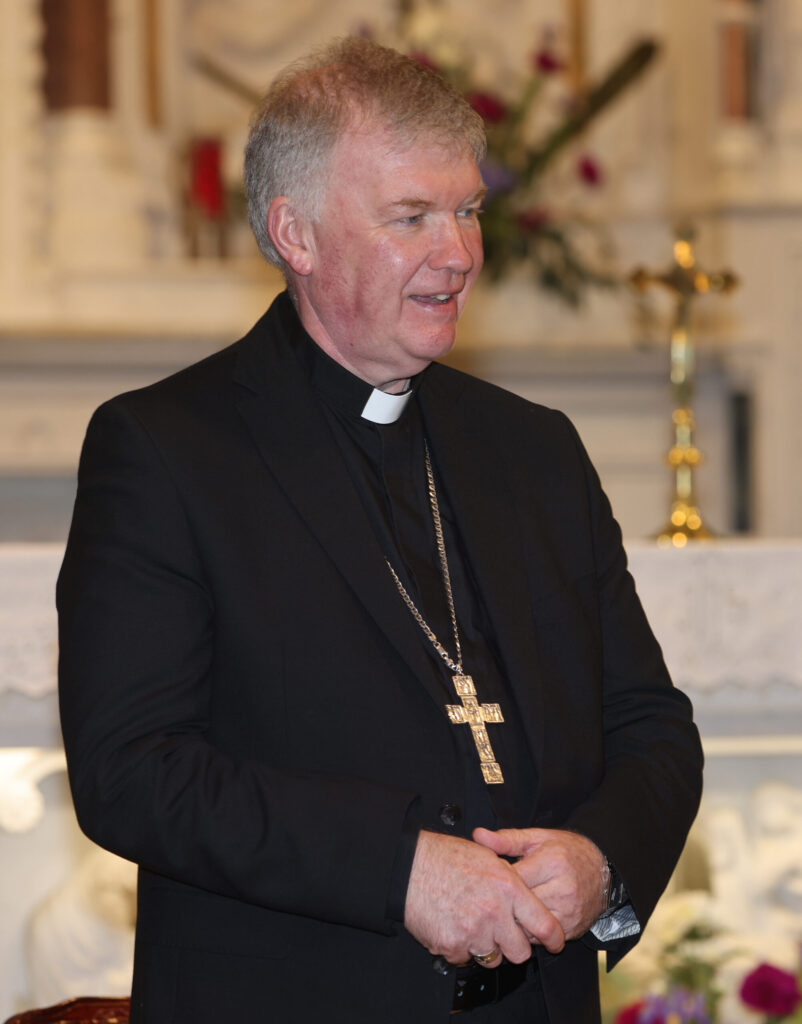
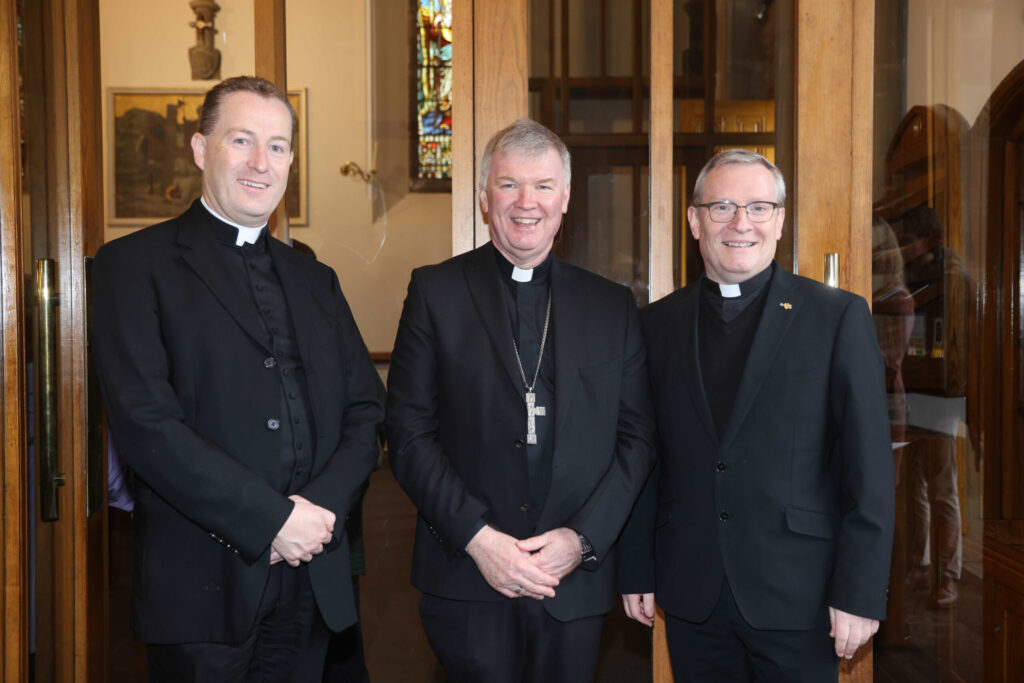
Striking a hopeful note this Christmas, the Primate of All Ireland, Archbishop Eamon Martin, has said the Church in Ireland has a future, pointing to the growing involvement of committed lay people and young people as a source of hope, while acknowledging the serious challenges that remain.
Speaking exclusively to The Irish Catholic, Archbishop Martin said the synodal process had revealed a strong desire among lay Catholics to be involved in shaping the future of the Church.
“The big hopes are that which we have already noticed through the synodal process, a very substantial group of committed lay people including many young people who want to be part of the next chapter of the history of the Church in Ireland and there will be a next chapter.”
He said bishops are increasingly aware that a new style of leadership is required and likened their role to that of midwives helping to bring about a new phase in the life of the Church.
“We are in some ways being entrusted with being the midwives, the ones who will deliver this next chapter and it’s not a skill that too many of us have, is being able to let go of something and allow, enable new things to happen and that is a style of leadership that perhaps you know many of us never really had that experience.”
The Archbishop said the bishops are trying to find ways to bring the Gospel to people in a fresh manner while remaining faithful to the Church’s tradition.
“You listen to business leaders and technology developers, some of the big IT people saying you want people who have had failures, you want people who are open to trying things, doing stuff. Yes so we are, at the same time we’re the one Holy Catholic and Apostolic Church, we’re not just making it up as we go along so we’re trying to preserve tradition whilst at the same time to have a new way of bringing the ever ancient ever new joy of the gospel to people everywhere.”
Archbishop Martin also highlighted ongoing practical difficulties facing dioceses across Ireland, particularly the shortage of vocations and the need to develop lay leadership within parishes.
“Clearly for us at a practical level on the ground for most of the dioceses is the question of vocations and trying to have clergy who will be able to provide and help to bring the sacraments to people; the challenges of forming an educated and interested laity to carry their parishes both administratively and in a leadership capacity… in Ireland because of a certain clericalist culture the priest did everything so we’ve have to get a lot of that over.”
He added that the financial and administrative consequences of clerical abuse scandals continue to place significant pressure on Church structures.
“There will be major challenges I imagine going forward; the administration and financial outworkings of the child abuse scandals and the continued need to pay compensation which is going to lead to dioceses or congregations perhaps not being financially viable.”
“I think you do have the situation already where a number of church bodies are struggling to meet their responsibilities with regard to just compensation for survivors of abuse for example. So the pressures of maintaining and administering a system which is really you know being for a different era and a different time.”
Despite these difficulties, Archbishop Martin said there are clear signs that the Church in Ireland is entering a new phase, shaped by greater lay involvement and a willingness to embrace change.