Easter in Disguise: The 2026 Lent Book,
by Liz Dodd
(Bloomsbury, £10.99 / €12.99)
This is an unusual book, partly because of the experiences of the author, partly by what she tries to pass on to her readers from those experiences. Author Liz Dodd was born in Oxford. She took a degree in theology at Magdalene College, Cambridge. After which, among other jobs she worked on the Tablet as a reporter and news editor. She then took time out to cycle round the world, in what means to have been a haphazard way, arriving for instance in Mexico at the height of summer, when water was in short supply.
Today she is a sister of St Joseph of Peace, a Catholic congregation of nuns whose charisma is peace through justice. She and her fellow sisters take in to their establishment refugees and others who have in one way or the other suffered from the way the world is run in these dangerous times.
So a book which draws on feminist and liberation theologies might not seem like everyone’s ideas of a Lenten book. But for its unusual perspectives it is well worth reading, with its engaging amalgam of anarcho-Catholicism of Dorothy Day and the teaching of the late Pope Francis.
She boldly suggests that we see Lent in the wrong way. Why, she asks, do we play at grief, shrouding the statues in our churches, just when spring and creation seem to be declaiming another view entirely. Lenten time she says should indeed be seen as “Easter in disguise”, a source of profound joy when taken the right way.
She moves away from the common notions to one which she sees as going to the very heart of what Easter is about”
The book is organised in some seven chapters, each of which expounds an aspect of spirituality that she derives not from church teachings so much as from the direct words of Jesus in the Gospels. These are spiritualities of solidarity with others, of poverty, of downward mobility, hospitality, non-violence and resistance, ending with a discussion of the triduum of Easter week.
In these chapters she moves away from the common notions to one which she sees as going to the very heart of what Easter is about. An example of this is her discussion of the gospels’ narratives of the resurrection, the heart of the Easter moment. She contrasts the actions of the apostles when they discover the empty tomb and run back to the others with the news, with that of Mary who pauses in the Garden and encounters the person she takes to be the gardener, the labourer who cares for the flowers that surround them and the empty tomb.
Her experience, the experience of a woman’s instinct, contrasts with that of the men.
“She welcomes these strangers [the angels at the tomb] into her space of grieving; she asks them for help. And when she does “Jesus said to her, ‘Mary!’ She turned and said to him in Hebrew, ‘Rabbouni!’” [which means teacher]. (John, 20:16)
This Liz Dodd remarks “as the most deeply rooted in truth. It is also the only account where we are told that the disciples – the men – believed their woman friend’s testimony.”
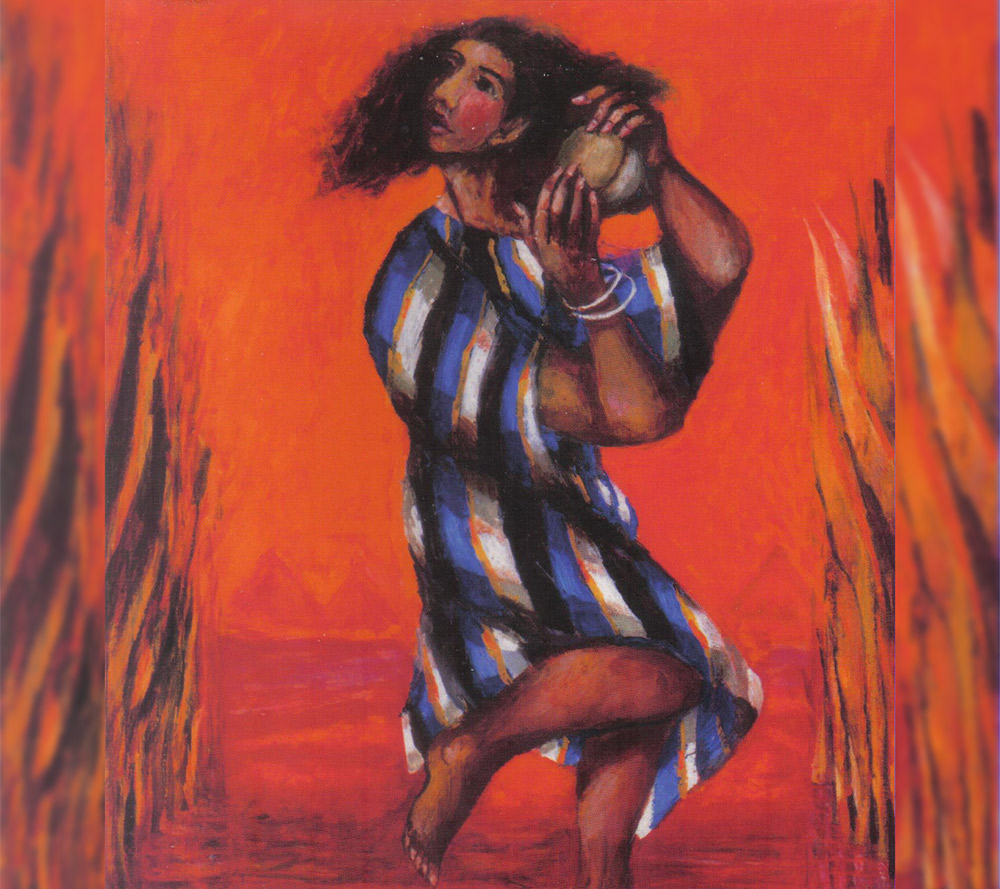
As I say, this book is filled with interesting apercus of both life and faith, and as a book for Lent, it is well worth reading. The cover appropriately enough shows Miriam rejoicing, a woman leader of faith for the ancient Israelites on the safe side of the Red Sea, which the author seems to suggest is where we all ought to be.