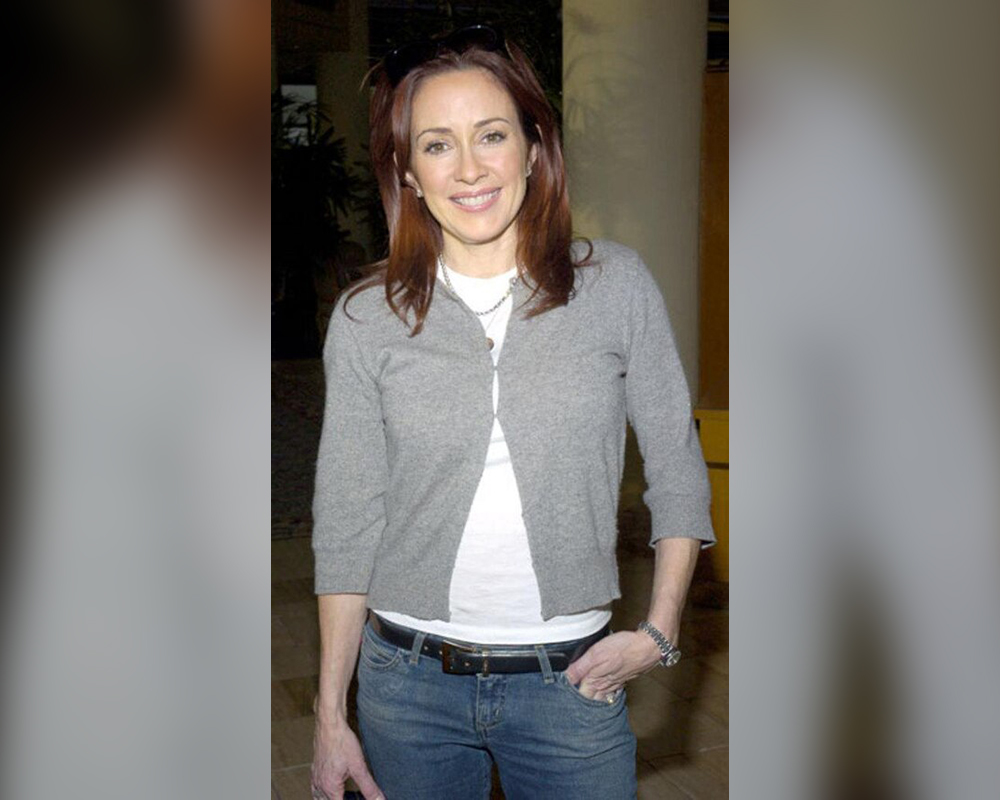
The recent rise in abortion figures has been sadly predictable but still shocking. In 1998, Prof. Patricia Casey and I organised a conference called ‘5,000 Too Many’. It brought together pro-choice and pro-life people to address the grave situation of 5,000 women having abortions in Britain, and to reduce those numbers by working together.
In 2024, there were 10,852 abortions in Ireland. For every 5 babies born alive, one was aborted.
Unlike 1998, now the only response seems to be an indifferent shrug or outright celebration.
We cannot despair. We need to do what the pro-choice people did in 1983, when two-thirds of voters opposed their views. We need to change people’s minds about abortion one by one.
The best way is through respectful conversation and dialogue. For decades now, pro-life people have been painted as fundamentalist and fanatical. Through one-to-one conversation, we can show our beliefs are reasonable and based on human rights.
I have learnt so much about how to approach such conversations from the Minimise Project, set up after the legalisation of abortion in Ireland. As the name suggests, the Minimise Project is about facilitating better conversations about abortion and promoting policies to reduce the abortion rate.
The Minimise Project also conduct practical workshops. There have been two recently in Dublin”
They have an excellent website, theminimiseproject.ie.
My son, Ben Conroy, is one of the founders. It is always humbling and wonderful when your children turn out to be much better at something than you are.
The Minimise Project also conduct practical workshops. There have been two recently in Dublin, as well as one in Castlebar and others are coming up. Workshops have also taken place in the US and the UK.
The Minimise Project have a step-by-step approach, which involves building a relationship with your conversation partner, finding common ground, and importantly, not mixing up your bodily autonomy and moral status (also known as personhood) arguments.
Morality
Pro-life people tend to focus on the moral status of the unborn child. Pro-life people tend to believe that if they can persuade someone that a baby in the womb has the same human status as a born baby, then the job of persuasion is done.
It is, of course, a vital argument, but it is not enough.
There are lots of pro-choice people who will concede that a baby in the womb is as human as the rest of us, but still believe that a woman’s right to autonomy over her body trumps the right to life of the not-yet-born child.
As a result, people are often talking past each other. In the Minimise workshop, the presenters show long strings of tweets where pro-life people are meeting pro-choice bodily autonomy arguments with personhood arguments. Both sides get frustrated.
The analogy with pregnancy is that no one can be forced to share their body with anyone else, even to save their lives”
Bodily autonomy arguments concern the right to respect for choices made regarding one’s own body. For example, no one can be compelled to say, donate a kidney, even to their own child.
No one can even be compelled to donate a kidney to a car crash victim, even if the potential donor caused the crash through carelessness and without it, the injured party will die.
The analogy with pregnancy is that no one can be forced to share their body with anyone else, even to save their lives, or even if it is your own child.
It is important for people who are pro-life to work their way carefully through these arguments.
Analogy
The fact is, as one of the Minimise presenters who is a mother of four says at their workshops, there is no situation quite like pregnancy. No analogy quite fits because the scenarios involving kidney donation concern saving a life that would otherwise be lost. Abortion, on the other hand, ends a life that would otherwise continue.
It involves taking away the ordinary conditions for life, in short, the way that every single one of us came into the world (until artificial wombs are invented, but that is a whole other story).
The Minimise project presenters believe that while not a perfect analogy for pregnancy, conjoined twins are closer than kidney donation. Let’s call them Aonghus and Barra. Their condition dictates that Aonghus can survive without Barra, but Barra cannot survive if separated from Aonghus.
No one would suggest that Aonghus has the right to unilaterally insist on separation because that will kill Barra. Pregnancy is more akin to this than organ donation.
Political solutions and voting for pro-life politicians are important, but they must go in tandem with changing hearts and minds”
It is impossible to give the complete picture of the Minimise approach, which involves deep, constructive listening and engagement. Luckily, the website is available, and they want to run workshops for anyone who can get a group together, all at no cost.
Political solutions and voting for pro-life politicians are important, but they must go in tandem with changing hearts and minds, one conversation at a time. Otherwise, the tragic abortion figures will continue to rise.
The Minimise Project have a step-by-step approach, which involves building a relationship with your conversation partner, finding common ground, and importantly, not mixing up your bodily autonomy and moral status”