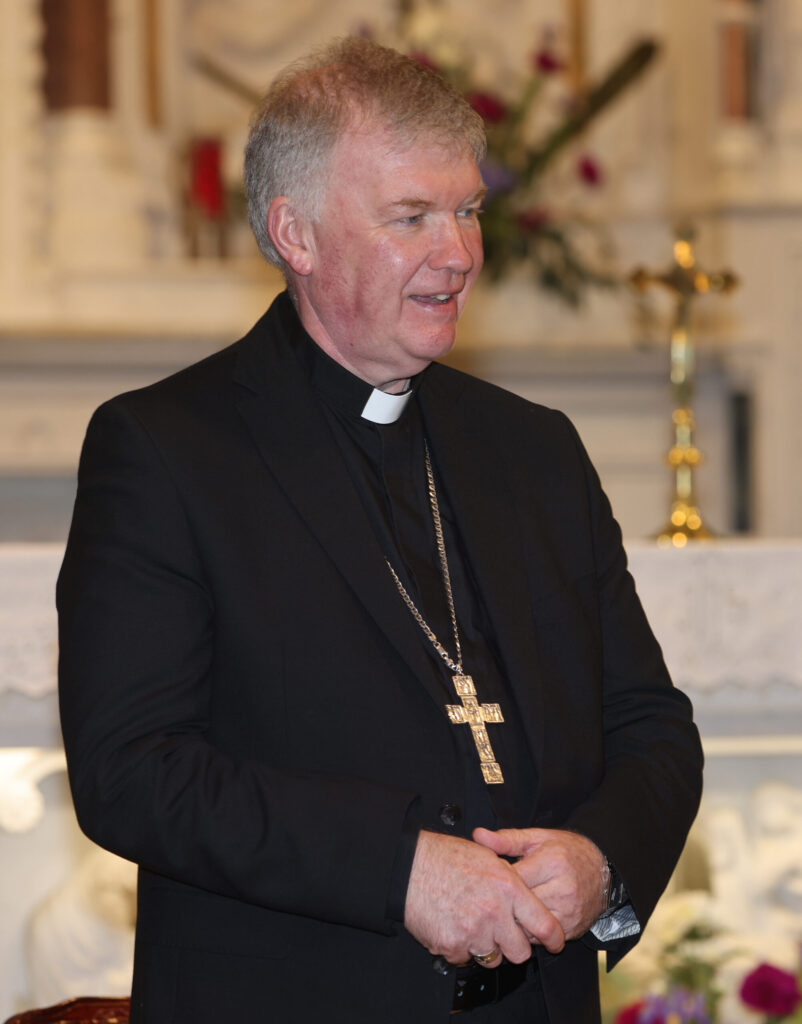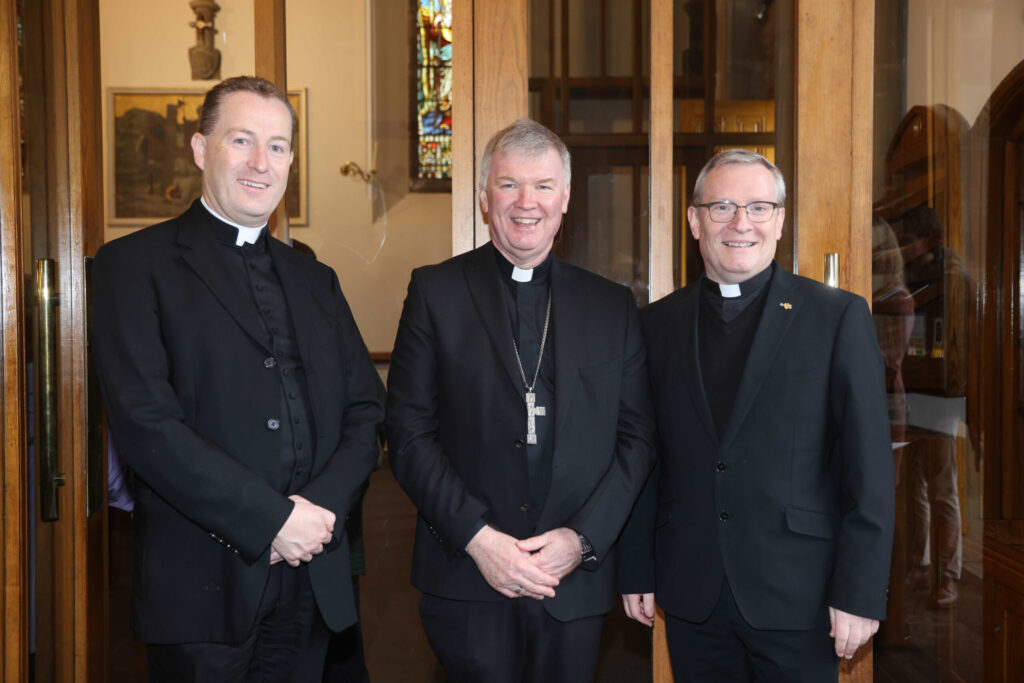
Bishop Niall Coll’s recent remarks mark a significant moment in the lead-up to the upcoming October synod, indicating an episcopal push towards inclusivity, particularly for the younger generations who often feel disconnected from the synodal process. His insights reflect a growing recognition that many of today’s youth have no memory of a Catholic Ireland and possess a genuine hunger for the teachings and traditions the Church offers. This shift is not merely a nod to youth engagement; it represents a pivotal moment for the Church as it seeks to revitalise its mission in a rapidly changing secular society.
Bishop Coll’s intervention also stands as a counterpoint to movements advocating for changes such as women’s ordination. While these discussions are vital, his focus on renewing the Church from the ground up through catechesis emphasises the importance of solidifying the foundations of faith before pursuing structural reforms. Not everyone will agree as this approach can be perceived to be kicking the can of structural reform down the road until some time when the Church is deemed ready. However Bishop Coll appears to be calling for a nuanced understanding of the current landscape: it is not merely about altering practices but about fostering a community that is deeply rooted in understanding and belief and that this is critical for a minority Church.
The urgency for catechesis cannot be overstated. As the Grace Report and other findings have shown, many young Catholics have been inadequately formed in their faith, a failure that dates back decades. These ‘lost generations’ have not come back seeking Faith. In this context, Bishop Coll’s emphasis on returning to the basics of doctrine and tradition is not just a conservative stance; it is a call to action for the Church to engage with a younger generation in a meaningful way who are the first to seek out the Faith. In other words, Bishop Coll seems to be identifying a bottoming out of the decline of faith, and while not identifying a resurgence as some hope, he is identifying a trend that is also found internationally, By focusing its resources on formation then, the Church can cultivate a deeper appreciation for its teachings, potentially leading to a more engaged and committed laity.
This journey – if it is to be serious – will require skilled leadership to navigate the inherent tensions within the Church. The need for a balanced approach is evident: while younger voices seek doctrinal continuity, there remains a significant push for progressive change within the broader synodal movement. The challenge lies in harmonising these disparate aspirations—finding a way to honour the desires for both stability and reform without alienating either group.
As we move closer to the October synod, it is essential for Church leaders to remain attuned to the diverse voices within their communities. Bishop Coll’s call for inclusivity is a step in the right direction, emphasising that the future of the Church must reflect the aspirations of all its members, especially those who have often been overlooked.
The path ahead is fraught with challenges, but it also tantalises with promise. By prioritising catechesis and fostering a culture of dialogue, the Catholic Church in Ireland can potentially create a future that honours its traditions while also being responsive to the needs of a new generation. Leadership will be crucial in steering this ship, ensuring that the Church remains a vibrant and welcoming home for all, grounded in faith yet open to the necessary changes that will sustain its mission in the years to come. While Bishop Coll says he found it hard to be so blunt in his assessment of synodal progressivism, what he said nevertheless has kicked into the open a simmering debate about the direction of synodality and the direction of the Irish Church.