Take a Priest Like You: A Long Journey Home,
by Michael Barrington
(MJB Imprints, £15. 82 through Amazon)
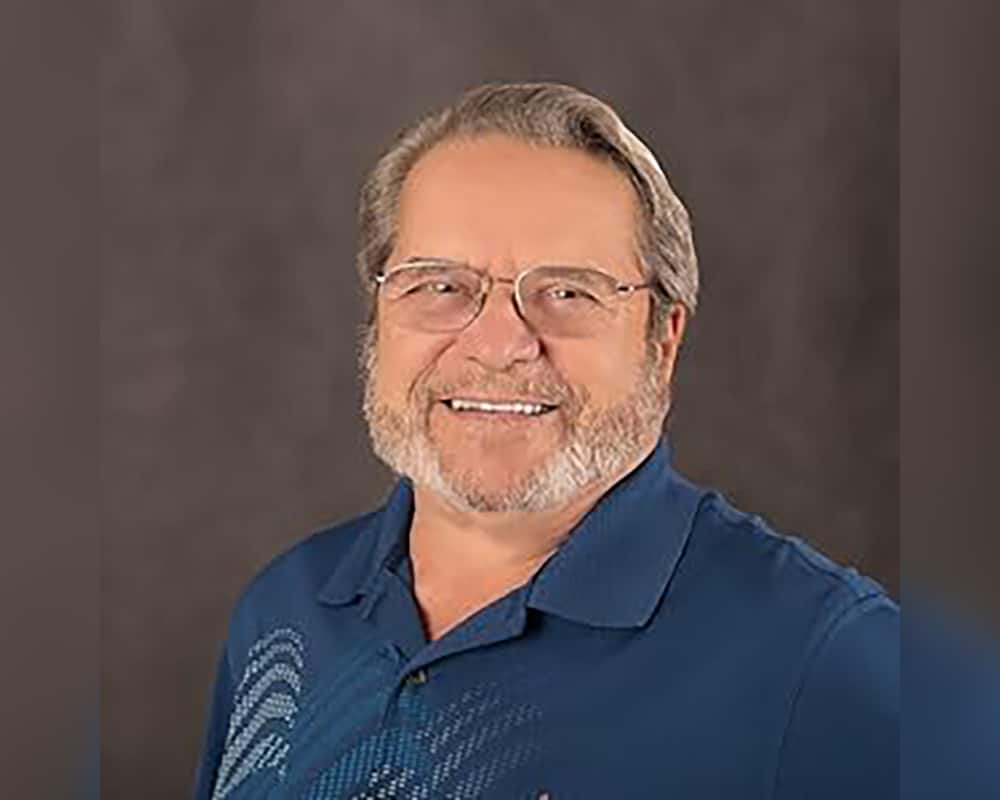
Today author Michael Barrington lives with his French wife in a small town in California up in the hills east of San Francisco. This is quite a contrast to the Britain he was born and bred in, or the back lands of Nigeria in which he spent many years as Spiritan missionary.
He comes from a blending of Irish and British families, but at his birth he was declared emphatically to be “the next priest in the family”. This phrase will be understandable at once by those who recall the Catholic culture of the 1950s: a priest in the family was seen, literally, as “a Godsend”.
He was also sent away to an all boys boarding school, again a common experience of boys whose families could afford the charges and expenses of such an education.
He was, however, moved by his decided-for-him vocation, and in due course was ordained as a missionary in the Holy Ghost order, nowadays more commonly called the Spiritans.
This vocation took him to Nigeria for a decade of missionary work. The central part of this memoir deals with this time, which was in many ways one of personal and vocational stress. As he vividly describes in this book his calling to a life in the church slowly changed.
This, he points out, was a common enough experience in the post-Vatican II period. People talked casually of a “decline of vocations”: the Jesuits, the largest order of priests in the church numbered 35,000 worldwide in 1996, by 2001 there were only just over 14,000.
But that does not encompass what happened. The priesthood was not merely a calling, it was a profession; which brought with it the respect then due to those of the professional class. Vocations, I suspect, did not actually decline; they merely took on other professional forms. Those who would once have sought an opening as a priest, found other ways to serve their fellows, in Africa or at home in other ways.
So it was with Michael Barrington. He became disillusioned by the way things were run in his order and in the Church, and how he was treated. Eventually there was a crisis over his friendship with a nun in Nigeria, about which he felt he was unjustly treated. He was returned to Britain, where he set out on a path that took him out of the priesthood.
This is a moving story. But that calling he had felt as a young man did not fail. He is still involved in the Third World, largely through Rotary in America, with building villages and creating water supplies.
His book is not without errors of fact. He says for instance, that “the Bishops of Ireland banned” Edna O’Brien’s first book The Country Girls (1960). The novel was indeed banned in Ireland, but by a government agency, not by “the bishops” – Americans have a tendency to confuse themselves about this matter, because of their own random approach to literary censorship. The book in any case was vigorously defended on Irish television by Fr Peter Connolly of UCD for its qualities.
What readers finishing this book may ask themselves is why the church lost a man of such talent, personal skills and human worth.
Today aside from his voluntary work, he thrives as the author of a series of historical novels, self-published as this memoir is, with the hope (perhaps not a vain one) of achieving an international bestseller.
This is very much a personal story. I was disappointed not to learn more about those Nigerians he worked with, as well as the hectic days of the Biafran War and much disordered days in Nigeria.
The book too is oddly enough written in American, perhaps for reasons of local necessity; though the American vulgarisms in the rough talk of his supposedly British and Nigerian characters reads very oddly. But that is perhaps merely a matter of tone. The essence of the book is interesting and in places very moving. It underlines the truth of the saying that “a good man is hard to keep down”.