For forty-five years, the Treaty County wandered a barren wasteland of broken dreams, locked out of hurling’s promised land. Nearly half a century of near misses and heartbreak left many on Shannonside with only memories and misery—a proud tradition cast into the wilderness.
But on August 18, 2018, all of that was washed away. As Declan Hannon lifted the Liam McCarthy Cup high into the sky, an outpouring of emotion swept across the sea of emerald green. Limerick had finally arrived.
What followed has been one of the greatest odysseys the game has ever known—a team that has shattered records, redefined dominance, and brought untold joy to a county that had once forgotten how to dream. For those who came so close for so long, to now stand witness to history has made the journey all the more sweet.
Heroes
One of those long-suffering heroes was Bruree’s Stephen McDonagh, a stalwart of the great Limerick team of the 1990s. That side came within a hair’s breadth of ending the drought—twice—but is remembered more for its heart-breaking near misses than its hard-fought victories.
“If they won another twenty, it wouldn’t have compared to 2018,” he recalled with joy. “That feeling when the whistle went was fantastic, just brilliant. Forty-five years of pain gone, wiped out, totally. Nothing will ever be as special as that.”
Since that fateful day in 2018, Limerick have gone on to lift the holy grail four more times, alongside six Munster titles and two National Leagues—an unprecedented era of success for the county that few could have ever imagined when the drought was finally broken.
Yet even after an era of near total dominance and unbridled joy, McDonagh speaks with concern about what lies ahead for Limerick hurling.
“I think, without a doubt, standards have slipped. The conveyor belt has maybe dried up a little bit. That group has been so exceptional—multiple All-Stars and Hurler of the Year winners—they are generational, and you don’t replace that kind of quality easily.”
As someone who coached the Limerick minors in 2014—a panel that included many of the current senior team—he knows the kind of foundation that success requires. But that 2014 wave, he fears, may have crested. A first barren year in nearly a decade saw Limerick’s season end in a shock defeat to Dublin following Munster final heartbreak to Cork.
While he still believes there are many good days left in the current bunch, the level of dominance that they have enjoyed may be at its end.
Nothing lasts forever, and we’ve had 6 or 7 glory years that we never thought we’d see, but maybe we need to target the primary schools again”
“It can be cyclical, and other counties have moved ahead, it seems. You can fall back into the pack very quickly, and I think there might be a bit of a vacuum coming.”
“Nothing lasts forever, and we’ve had 6 or 7 glory years that we never thought we’d see, but maybe we need to target the primary schools again. Children at a young age are very impressionable. Maybe we need a fire brigade job in the schools.”
That this conversation is happening at all, in the midst of Limerick’s greatest hurling era, is not lost on him.
“With all of that success, it’s easy to take your eye off the ball,” he says. “You saw it with Munster Rugby. They were on the crest of a wave for years—now they’re still competitive, but they’re not dominating like before. We are still very competitive at underage, but I think without a doubt our standards have slipped.”
McDonagh speaks not with criticism but with a mix of clarity and gratitude. Limerick’s shock defeat to Dublin this year was, in his view, a sign of wear and tear.
“We were flat, dead on our feet. The Munster final going to extra time, then losing on penalties—I think that took more out of them than people realise. Physical tiredness is one thing, but mental tiredness is another.”
“These lads have had so many big games. They’ve had so much success. They play with such a manic level of aggression—but it’s very hard to keep that up.”
Despite the warning signs, McDonagh holds only appreciation for the incredible journey that he and countless other Limerick fans have been on since 2018.
Hard-won
His own journey in the green jersey was hard-won. A stellar cornerback in his day, McDonagh was on the receiving end of two gut-wrenching All-Ireland final losses in 1994 and 1996—but he never allowed those defeats to define him.
“Honestly, I never thought I’d be good enough to play for Limerick,” he admits. “I never played minor. I got two years at U21. I wasn’t an overly confident player. But I worked hard, and I got a few breaks.
“Of course there were the disappointments of ’94 and ’96, but I didn’t dwell on them. Every day I played with Limerick, I felt privileged. The honour of wearing that jersey far outshone the defeats,” he said. “Those All-Ireland losses are now long in the rear-view mirror. What the current bunch has done has washed that away completely.”
Sunday’s nearly a working day. You even see shops open on Christmas Day. I think we’ve lost something in that”
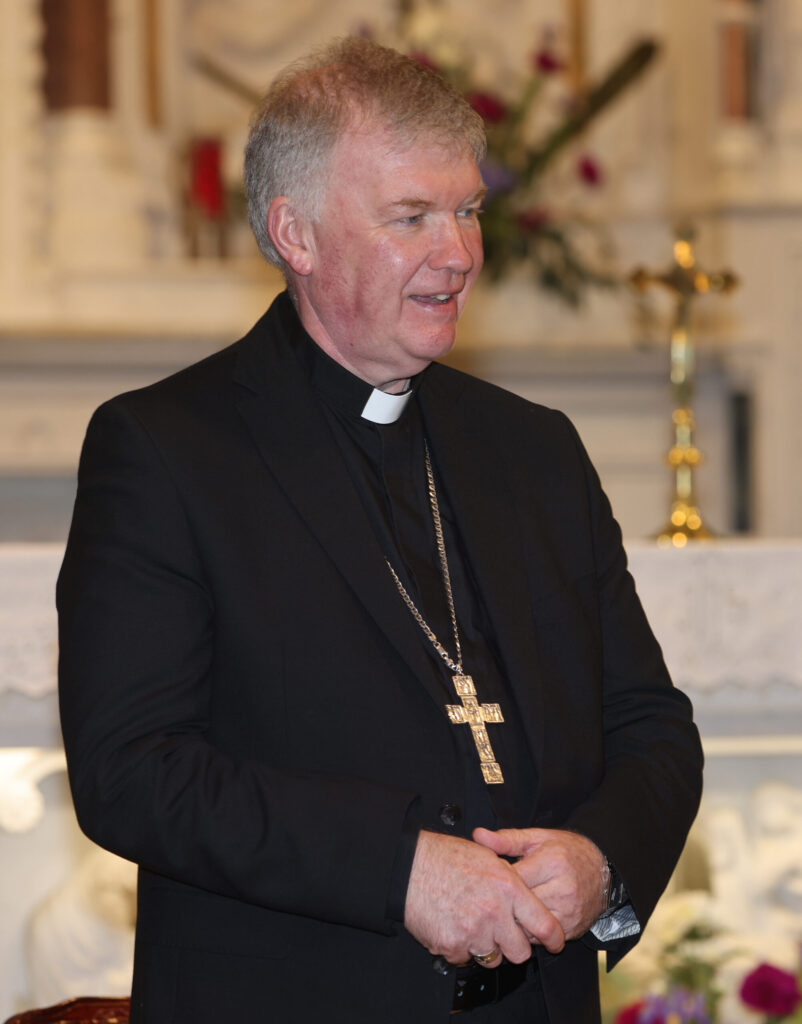
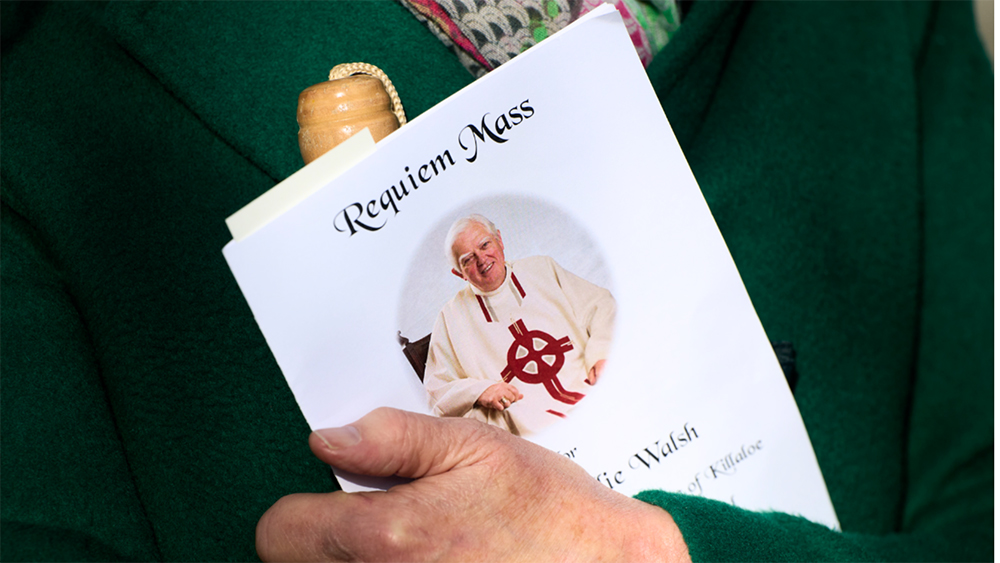
McDonagh’s worldview is shaped not just by hurling, but by faith. He comes from a family steeped in tradition. His late uncle, a former Bishop of Lismore, and his aunt, a Mercy sister. McDonagh remains a practicing Catholic and often finds peace in his local church in Rock Hill, where Mass was once the fulcrum of family life.
“When I was growing up, 12 o’clock Mass in Rock Hill was the centre of the weekend. That’s all changed now. Sunday’s nearly a working day. You even see shops open on Christmas Day. I think we’ve lost something in that.”
“There’s only one mass there now at the weekend, and I suppose eventually it’ll probably close. A gorgeous church up on top of the hill, looking down on the Galtees and a lovely valley—it’s really sad.”
In a time of such change, both across Ireland and in the world of Limerick hurling, when so many chase the next goal, the next season, or the next record, Stephen McDonagh offers something deeper: perspective, gratitude, and faith. And above all else, a deep love for Limerick hurling that goes beyond silverware.
“At the end of the day, we’ve had some run. Glory years. No matter what happens, we’ll always have that.”