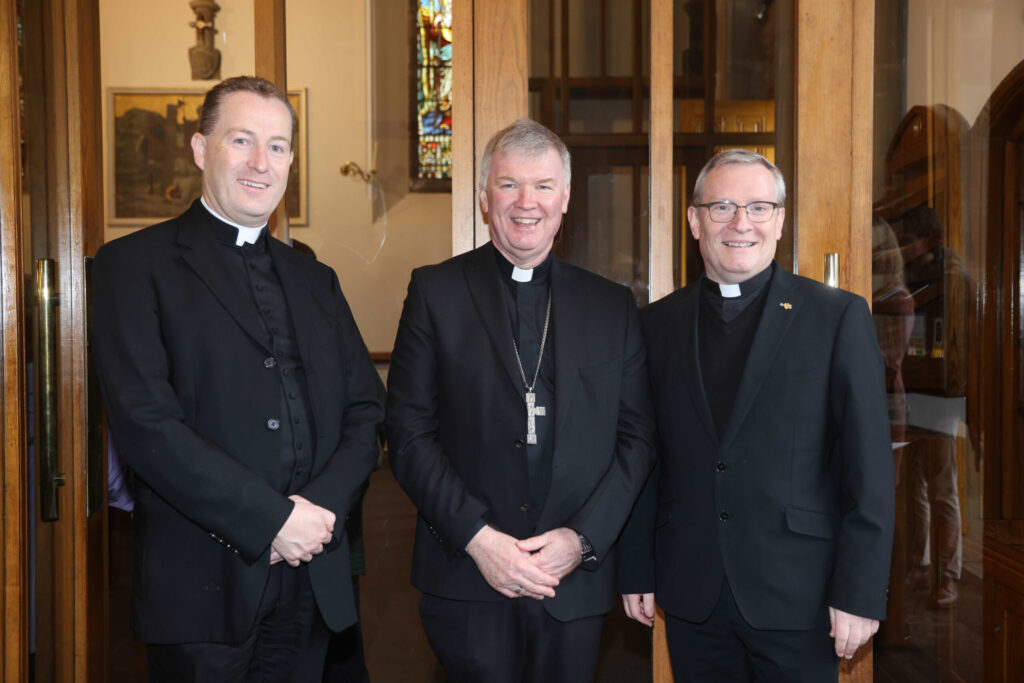
Catholics from abroad who “have lived the Faith in different ways” can enrich the Church in Ireland and help the synodal process, the Archbishop of Cashel and Emly has said.
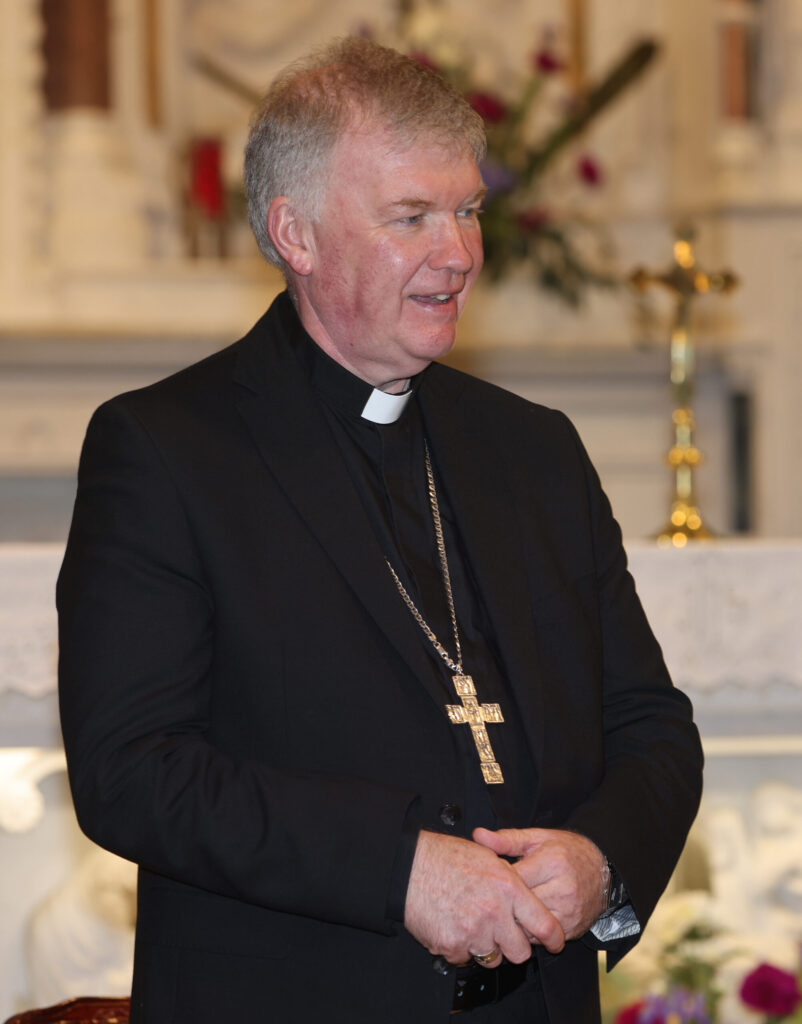
In a wide-ranging interview with The Irish Catholic, Archbishop Kieran O’Reilly SMA warned against “people who have a certain perspective on our brothers and sisters from around the world” dominating public discussion.
The archbishop said that Irish people should be open to receiving the gifts priests and lay people from across the world bring regarding revitalising the Faith.
Asked about the growing concern about immigration in Ireland Archbishop O’Reilly said: “We always have to be watchful that people who have a certain perspective on our brothers and sisters from around the world do not dominate, because that is not the majority opinion in Ireland. We are not like that, we are far more welcoming.
“If you go to a hospital, a nursing home, a clinic, who is there minding us? Who is there minding our old people? People from other parts of the world – we just don’t have the staff ourselves now. I would think the Irish overall, by far, are welcoming, and we will continue to welcome people into our country and to experience – which is very important – their understanding of mission and what mission means. I think that will continue to be the case, I would be very hopeful.”
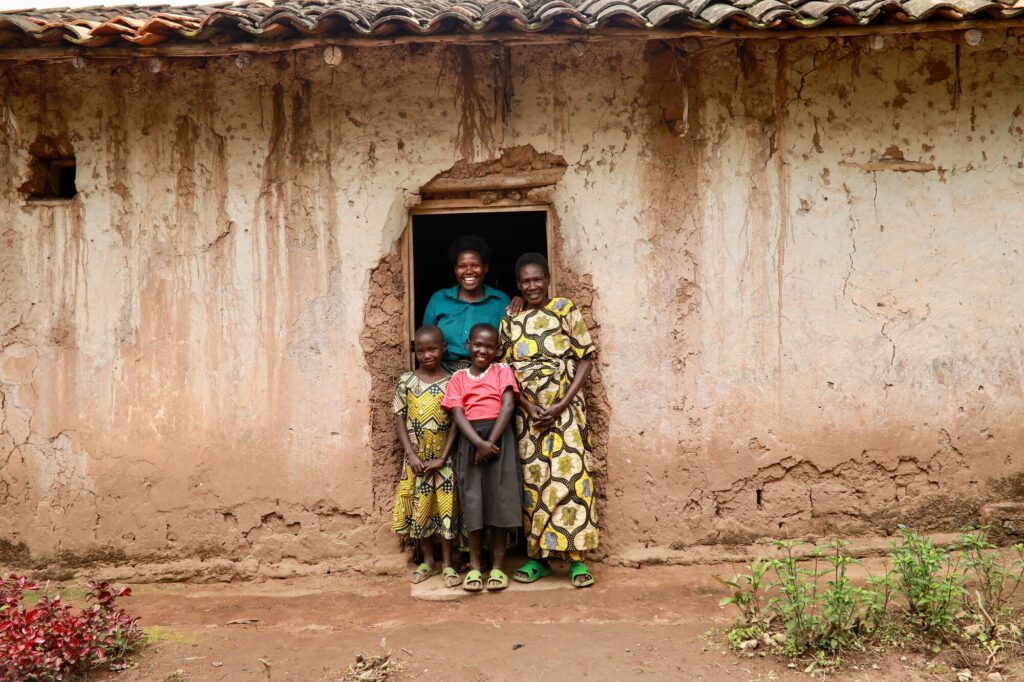
Archbishop O’Reilly continued saying the Church in Ireland stands to benefit from the presence and faith experiences of people from Africa, India, the Philippines, and other countries.
“There are a good number of priests from India and Africa here now and they bring their own understanding of how they have lived the Catholic Church,” he said. “That will enrich us—how it will enrich us, I don’t know, because it will take time for it to root itself.”
“Lay people from these countries will be involved, I hope, in our synodal process – in the way we are going to be Church in the future, because they are part of our communities now,” he said.
Reflecting on the current state of mission in Ireland, Archbishop O’Reilly said the country had entered a new phase.
“I think every country should be a missionary country. From Ireland we sent missionaries…but these countries now have become missionary to themselves and to others,” he said.
“It is an ongoing, two-way process, that is the great hope for the future, that we will receive and still maybe be able to send.”
He noted that while many Irish missionaries are now elderly, their presence remains significant.
“There are a couple of hundred of them and that’s no small number in different places. Now they are not obviously with the same energy that they had 30 and 40 years ago, but their presence is very significant because they give that dimension of a senior person in the Faith who has lived with the people, and that is very important—to bear that kind of witness.”
Addressing suggestions that missionaries may have acted as agents of colonialism in the RTÉ documentary The Last Of The Irish Missionaries, the archbishop said that, in his experience, missionaries stood with local communities.
“Generally the missionaries were the ones who stood up for the local people, they were the ones who objected to anything the colonial power was doing. They were the ones who made sure the local people got educated, and were able to best be prepared for when their new nation was established. It is very complex,” he said, and called on Irish people “to be much more missionary, proactive at home. They can learn from what their uncle and their aunt did in different parts of the world, but that’s the first thing, it’s our own people here in Ireland to take much more of an interest in the activities, in the life of the Church”.