For my first column of the year, I normally write about my Christmas and New Year viewing and there’s plenty to write about.
Last week there was Daniel O’Connell: The Emancipator (RTÉ One), an excellent documentary from Ruan Magan, exploring the life and legacy of O’Connell on the 250th anniversary of his birth. Narrated well by actor Domhnall Gleeson it was as comprehensive as one could make it in an hour. There was even a photo or daguerreotype of O’Connell which I hadn’t seen before. Various historians and commentators gave learned opinions – the best-known including Declan Kiberd, Kevin Whelan (both of Notre Dame University) former President Mary McAleese and Patrick Geoghgan, a historian who has his own show on Newstalk. O’Connell’s central achievement was Catholic Emancipation in 1829, familiar to anyone who has studied history in school. Many would also be familiar with his commitment to non-violent political action, especially after his experience of the excesses of the French Revolution. Then there was the famous duel where he killed a man and felt a strong sense of guilt. After this he returned to the Catholic faith that he had drifted from earlier in life. He was described as a devout Catholic with a strong devotion to his much-loved wife Mary – we heard extracts from his touching letters to her. Also mentioned (’without evidence’) were rumours of his reputation as a philanderer. Claire Connolly of UCC made a strange comment on this – she believed it was possible to love your wife AND be a philanderer. Hmmm….
Other personality flaws were touched on (he fell out with people!) and in modern lingo he was described as a performative orator and populist. Much was made of his international reputation as a campaigner for civil rights, and his global influence on such matters. Among other causes he was a strong anti-slavery activist, even to the point of castigating the Irish who emigrated and ‘owned’ slaves in the USA – ‘it was not in Ireland you learned this cruelty’. His ‘large democratic inheritance’ was acknowledged, and he was described as a champion of freedom, a pious Catholic and a ‘Colossus of the 1800’s.
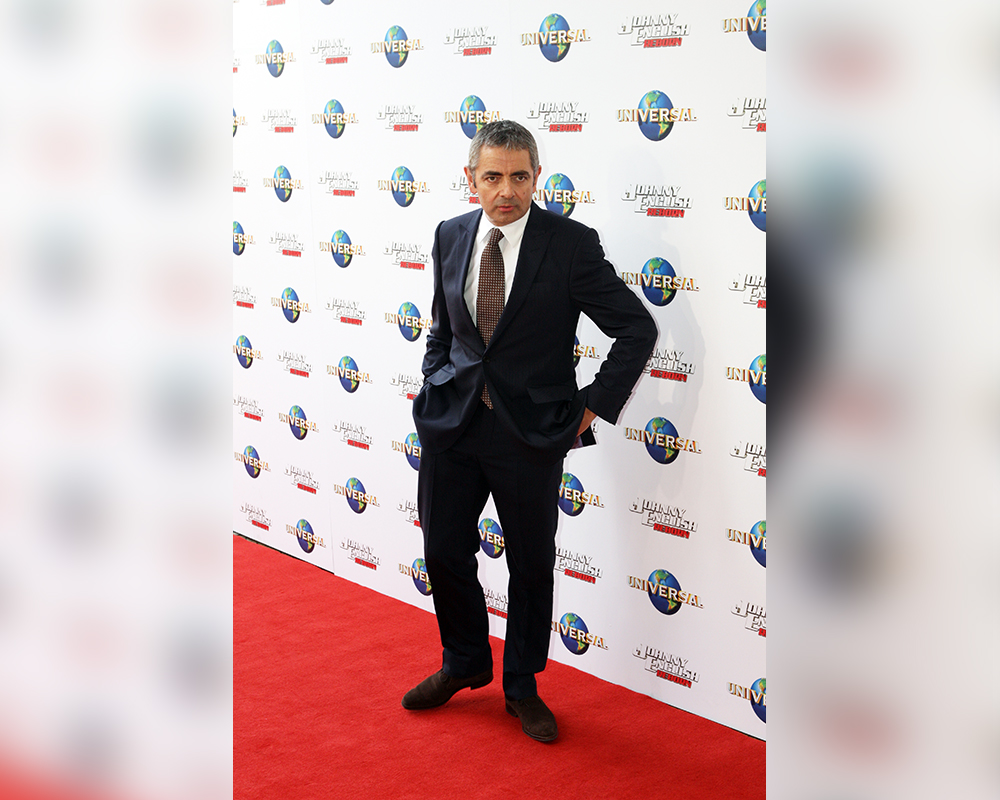
And so, from the sublime to the ridiculous – Man v. Baby (Netflix) is not about the conflict between Trump and Putin, but features Rowan Atkinson as the hapless Mr Bingley looking after an abandoned baby. In Mr Bean-like fashion things go hilariously wrong. Ok, it’s not Shakespeare, but it’s a good-natured and funny comedy which is always welcome, and it was perfect seasonal viewing. The situations were predictable at times and the product placement painfully obvious (#Heroes), but there were some great sight gags and a bunch of likeable characters. The crib and the original Christmas story figured large and was treated respectfully.
Divine Sparks (RTÉ Radio 1) had a most enjoyable Christmas special, with the emphasis largely on Christmas memories and carols – with performances from many choirs including those from St Patrick’s Cathedral, Christ Church and St Mary’s Cathedral (a lovely rendition of ‘Joy to the World’ from the Palestrina Choir). Also, the children from Ennis National School gave some endearing accounts of their Christmas routines and thankfully Baby Jesus and churchgoing figured prominently.
On a podcast front the Brendan O’Neill Show (Spotify) I listened to a fascinating interview with Robin Aitken who spent 25 years working with the BBC, but became increasingly disillusioned by the bias in favour of what might be called progressivist views. This related to economics, politics and social issues, including abortion and gender theory, ideologies which, he said, BBC News and current affairs embraced. They favoured the ‘progressive’ ideology and often ignored or suppressed stories that didn’t suit the favoured narrative. A lot of this has been coming into the light due to the recent controversies in the BBC, but it had been going on for years. He thought the only thing that would justify the taxpayers funding the BBC would be if the quid pro quo was that treatment of news and current affairs was neutral and objective. Over the years he believed the BBC had effectively ‘groomed’ the public into certain positions on these controversial issues.
All that he was saying about the BBC I was applying in my head to RTÉ news and current affairs – the cap fitted. Likewise with the good things he said about the broadcaster – that the craft skills and professionalism were top class.