“Education is not just about knowledge and academic excellence,” said Dr Aiveen Mullally. “It is an act of hope.”
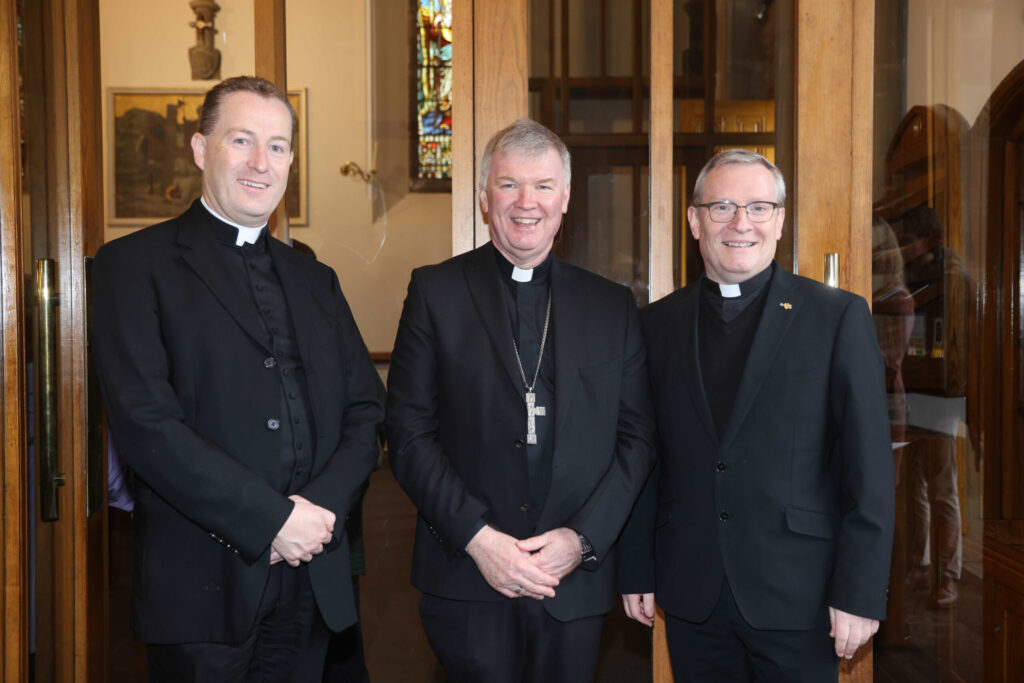
That conviction set the tone for this year’s Network for Researchers in Catholic Education (NfRCE) Annual Conference, held at the Marino Institute of Education, Dublin, on October 16-17. The event gathered academics, principals, teachers and chaplains to explore The Global Compact on Education—Pope Francis’s 2019 call for a renewed covenant between schools, families and society.
Dr Mullally, one of the organisers, said the Compact offered “a covenant of care” in a time of ecological, cultural and technological fragmentation. The pandemic, she noted, had obscured its launch and deepened the very divisions it sought to heal. Catholic education, she argued, must help rebuild “the fabric of relationships” between people, creation and God.
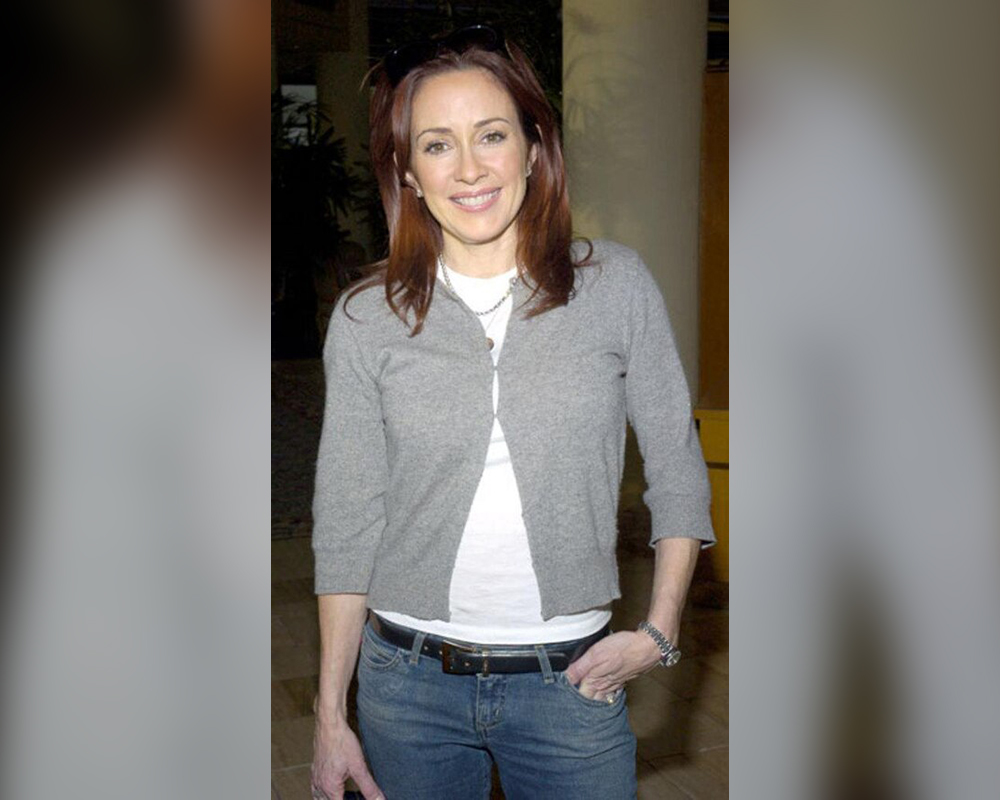
Prof. Róisín Coll, University of Glasgow, brought the conference its fiercest challenge. Reflecting on her experience of being investigated over a tweet, she warned that “we should not be in a society today which claims to be diverse when mainstream views of faith are silenced.”
Faith, she said, must be both caught and taught: parents and teachers alike must equip children “with the confidence and moral courage to speak truth with charity.”
Panels turned to practical questions of formation and policy. Participants argued that Ireland’s Wellbeing curriculum remains incomplete, neglecting the spiritual dimension despite clear links between faith and human flourishing. Others called for renewed support for lay leaders who now carry the charisms once embodied by religious founders.
Amid shifting structures and cultural pressures, speakers agreed that Catholic education remains a vital frontier. Its task is not only to inform minds but to form whole persons capable of care, conscience and hope.
As Prof. Coll concluded, “Catholic education has never been about retreat. It’s about witness. Our task is to help young people bring faith into the public square, unafraid and alive.”