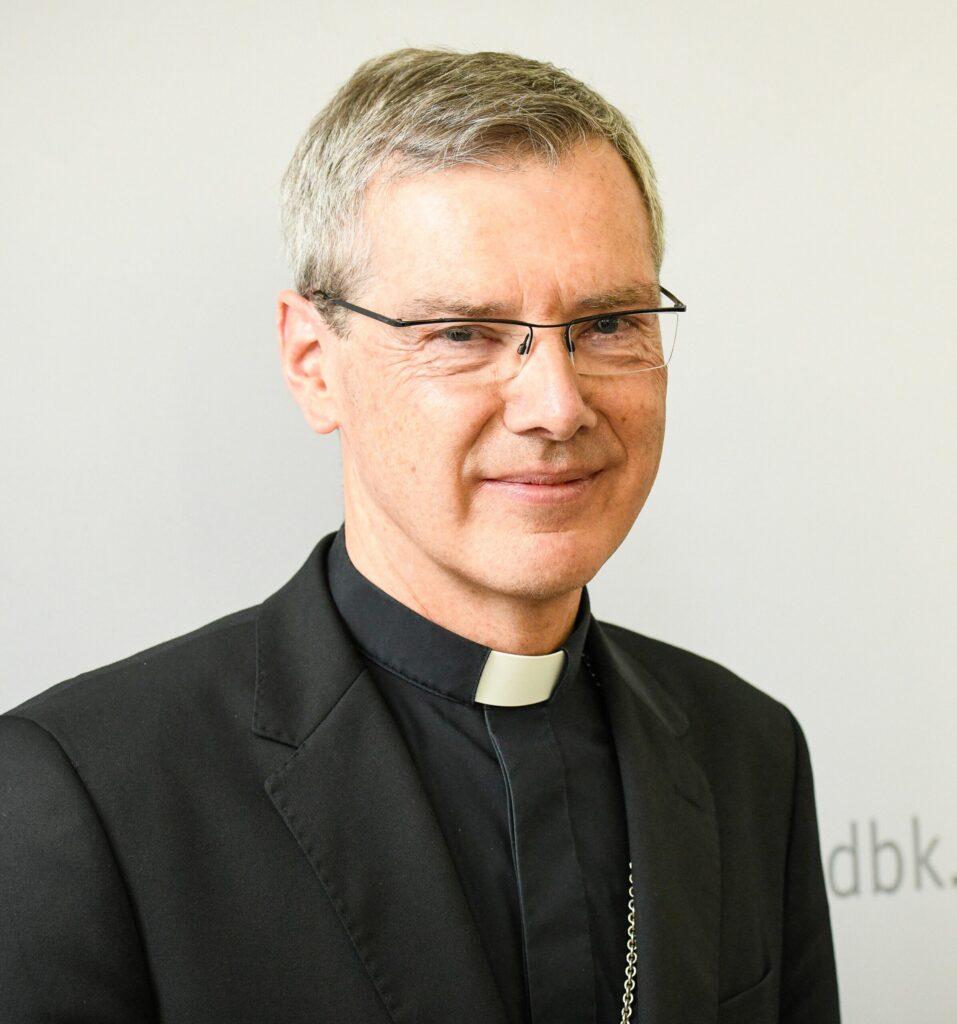
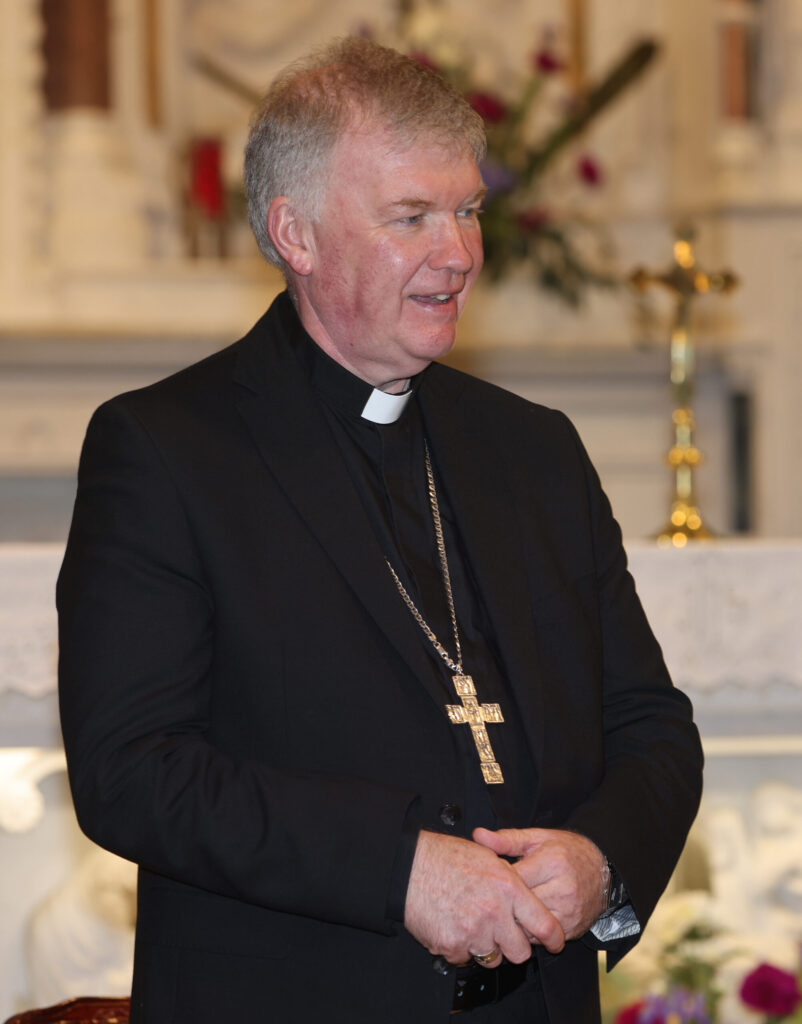
Bishop Fintan Gavin has said the Church has a vital role to play in responding to mental health challenges by creating spaces where people feel safe to speak without fear of judgement or stigma.
Speaking to The Irish Catholic, the Bishop of Cork and Ross said his early training in residential social care, addiction counselling and mental health settings has had a lasting influence on his pastoral approach.
“It gave me a sensitivity that I haven’t lost,” Bishop Gavin said. “Mental health is so delicate, so personal, and so private. People often don’t understand it, and for those who are suffering, it can be very painful.”
“No one is ashamed of a broken arm or a heart condition,” he said. “But with mental health, the stigma can almost suggest that somehow you’re responsible for it and that’s deeply unfair.”
Bishop Gavin made it clear that faith and the spiritual life can offer real support alongside professional mental health services.
“Faith has so much to say about the inner life,” he said. “Not as a replacement for professional help, but as something that can bring balance, meaning and hope.”
The bishop also highlighted the importance of informal pastoral presence, recounting a recent encounter with a young man who approached him in a Cork city shop to speak about returning to faith while still carrying doubts.
“It’s about creating opportunities for people to open up,” he said. “Not being afraid to listen, not being afraid of questions.”
Chaplaincy, he added, often becomes a first point of contact for those struggling.
“In universities especially, even though there’s a whole structure there to help people with mental health and all kinds of other things, the first portal is so often the chaplaincy,” Bishop Gavin said. “There’s a personal connection, someone who listens without an appointment.”
He said parishes, schools and faith communities must continue working to create environments where people feel supported and accompanied.
“It’s about availability,” he said. “Letting people know that the Church is open for conversation, for listening, and for walking with them where they are.”