From Bullets to Ballots: Politics and Electioneering in Post-Civil War Kerry, 1923-33,
by Owen O’Shea
(University College Dublin Press, €30.00 / £24.99)
This is an account of how Kerry people emerged from the horrors of the Civil War, or as the author pithily puts it – how they settled their political differences by ballots rather than by bullets.
The concluding months of the Civil War were vicious. None more so than in Kerry. There it descended into a series of murderous reprisals and counter-reprisals. One of the most notorious occurred at Ballyseedy Cross, near Tralee, on March 6, 1923. A week earlier, a trigger mine had killed five members of the Free State army at Knocknagoshel. The enraged Free State troops in Tralee decided on a counter-reprisal and took nine Republican prisoners to Ballyseedy Cross, and having tied them together near a felled tree, blew them up with a similar type of mine.
Disruption
The bitterness which occasioned such actions was widespread throughout the ranks of the conflicting forces. However, as O’Shea rightly points out, the deep political wounds of the Civil War in Kerry were caused not only by the fighting and trading of reprisals, but also by the widespread chaos and disruption to commercial, economic and social activities – in particular the Republican campaign of violence, theft, looting, destruction and intimidation of civilians.
Daily life was disrupted by the removal of railway tracks, the interception of mail, arson, attacks on schools and public buildings, the theft and destruction of farm animals, the burgling of shops and hotels, and the kidnap and terrorisation of ordinary citizens.
Notwithstanding the Republican defeat in the Civil War, most Kerry people remained as Republican as ever. O’Shea provides evidence for this by reviewing the election results and voting patterns in the county in 1923-33.
In the general election in 1923, the Republican percentage of the vote in the Kerry constituencies was 45.09 (nationally it was 27.40). In the general elections in 1927, 1932, 1933, this trend continued, as it did in elections to the Kerry County Council.
Republicans, especially in the guise of Fianna Fáil, presented a plan to deliver improvements to ordinary men
and women”
The author provides an insightful account of the political Parties of the period: Cuman na nGaedheal, Anti-Treaty Sinn Féin, Fianna Fáil, Labour Party and Farmers Party. He analyses their membership, organisation, rules and the functions of Party members.
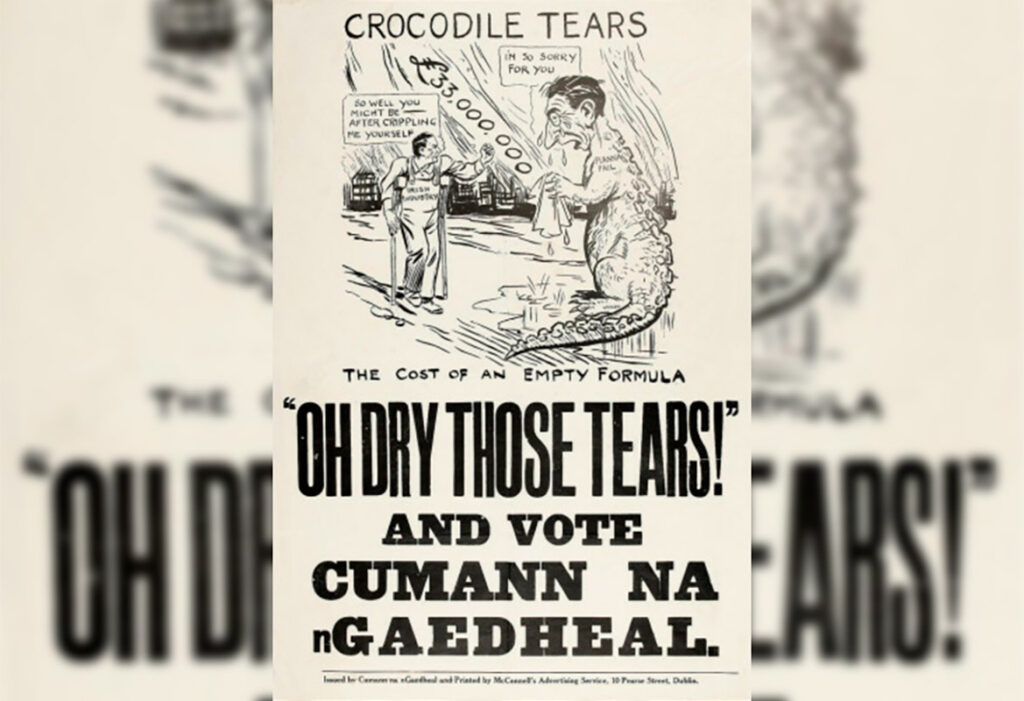
O’Shea claims that the electoral success of Republicans in the 1930s was mainly due to Cuman na nGaedheal simply harking back to the need to uphold the Treaty, while the Republicans, especially in the guise of Fianna Fáil, presented a plan to deliver improvements to ordinary men and women in a county where voters became ever more desperate for practical solutions and improvements.
The media contributed substantially to the return of Kerry people to normality. In the county, it was represented by the Kerryman, Kerry News, Kerry Reporter and Kerry People. All of them were Pro-Treaty, condemned violence and promoted the democratic process.
They carried the advertisements of the competing political parties and highlighted and condemned the intimidation of voters. The emergence of the Kerry Champion in 1928 greatly benefited the Republicans who by then had morphed into the Fianna Fáil Party.
The author describes the electioneering and campaign rhetoric in Kerry in 1923-33. Political meetings were held across the county, attracting huge crowds. Then there were the rallies. With echoes of the era of Daniel O’Connell, “monster meetings” were held attracting thousands, replete with marching bands, lighted pitchforks, banners, bonfires and visiting dignitaries in support of the candidates.
Labourers
In a concluding chapter, O’Shea refers to the role of the Labour Party, the Farmers Party and the Catholic clergy in the 1923-33 period.
Labour only contested the elections of 1923 and June 1927, gaining just 8% and 6% of the votes respectively. In their campaigning, there was minimal reference to the Treaty, but rather an emphasis on social and economic problems and policies.
The speeches of Farmers Party candidates were also devoid of commentary on the Treaty and focused on the interests of those relying on agriculture.
{{Their involvement in the hustings caused many people to terminate their allegiance to the Catholic Church”
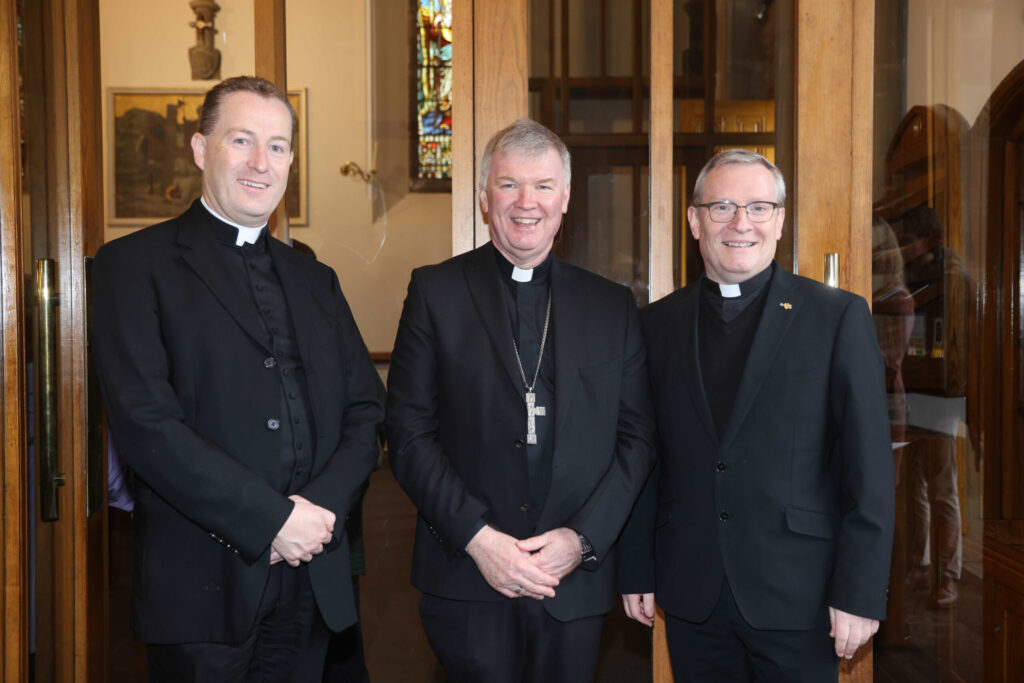
With few exceptions, the Catholic bishops and clergy of the Kerry diocese supported the Treaty. They also backed the Cuman na nGaedheal Party and featured on their election platforms. Their involvement in the hustings caused many people to terminate their allegiance to the Catholic Church.
This deeply researched study by Owen O’Shea is a valuable contribution to the recent history of Co. Kerry.
Listowel-born historian J. Anthony Gaughan is the author of many books on Kerry history.