One of the Czech Republic’s leading ensembles – the Prague Symphony Orchestra – was founded in 1934. The band made its first Irish appearance at the NCH earlier this month in a programme that, not surprisingly, made the music of Antonín Dvořák its main feature under the baton of principal conductor Tomáš Brauner.
The evening opened with Dvořák’s symphonic poem The Noonday Witch and ended with his Symphony No 9 (From the New World). In between Russian violinist Alexander Sitkovetsky was the soloist in the Tchaikovsky Concerto. The event was part of the NCH’s 2024/25 International Concert season.
While the audience was enthusiastic in its response, I confess I found the concert something of a damp squib. Maybe the orchestra’s current taxing tour was taking its toll on the musicians, but I was certainly disappointed with performances that I considered to have a ‘lack lustre’ quality.
The programme began with Dvořák’s The Noonday Witch, a short symphonic poem of 1896 that rarely gets an airing here. It re-creates a tragic sequence of fairy-tale events where a mother is anxiously preparing lunch. She is being constantly distracted by her annoying brat and threatens to call the witch who immediately answers the summons and demands the child.
A clock strikes noon and the ‘small, brown and wild-looking’ creature disappears. The father arrives home to find his wife unconscious with their child suffocated in her arms. Maybe the musicians were becoming bored with the repeated playing of the tragic tale. I know I was even after hearing the piece once. Not the best Dvořák, I thought.
Fortunately the Prague musicians’ playing in the Symphony had far more panache and the orchestra’s reaction had a spring in its step even if I am sure it has played the New World far more often than any other work in its extensive repertoire. Maestro Brauner’s interpretation had an agreeable lightness of touch.
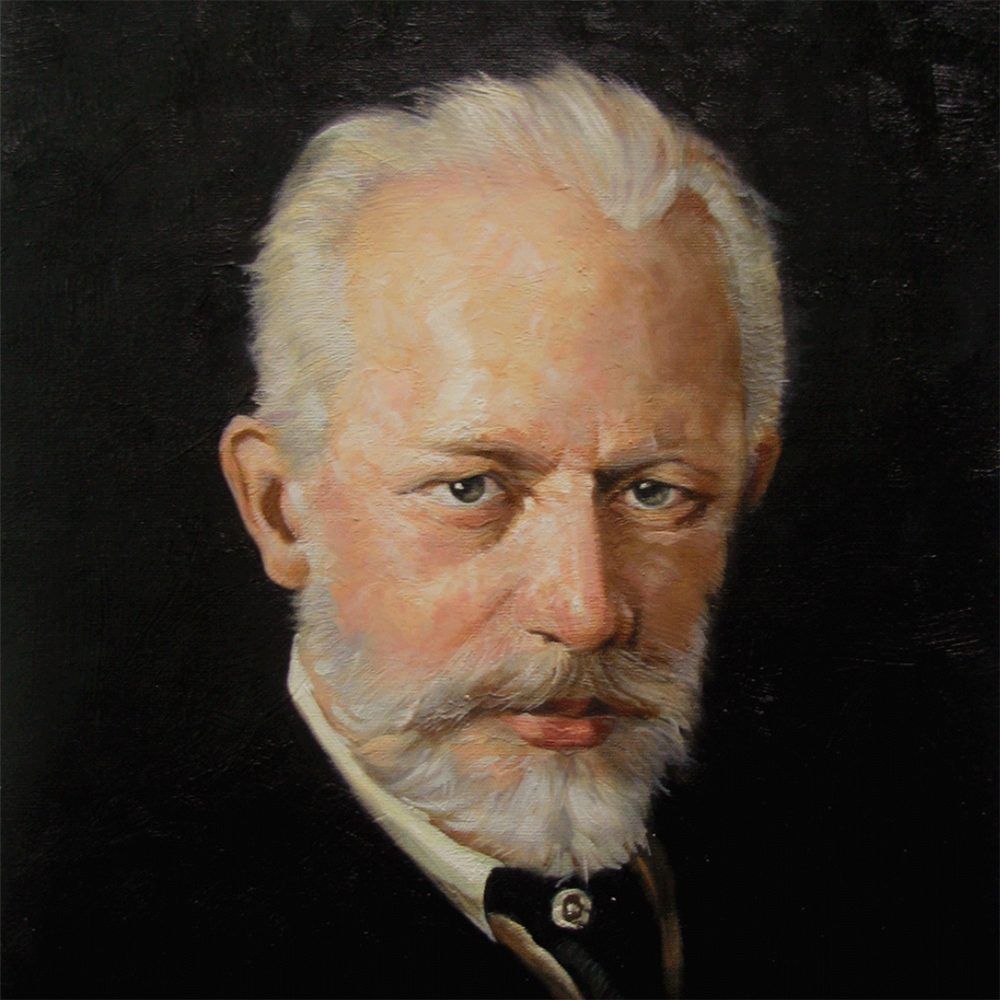
Tchaikovsky’s completed his Violin Concerto in a four-week period in 1878 and that included writing a second slow movement when the composer and a number of his friends were dissatisfied with his first thoughts. He later published his original ideas separately.
Alexander Sitkovetsky took a gentle approach to the music with his atmospheric opening particularly affecting. There was plenty of genuine delicacy in his slow movement with an expressive beauty in his phrasing. The flashing finale brought a definitive rise in excitement.
Sitkovetsky used an Antonio Stradivarius fiddle of 1679 loaned to him by a very generous and anonymous sponsor. Maybe the delicacy of the instrument had something to do with the soloist’s sound momentarily disappearing from time to time.
This year has a special significance for the French composer Maurice Ravel as it celebrates the 150th anniversary of his birth in 1875. The NSO honours the occasion with a concert of his music on March 7th at the NCH. The programme includes his Mother Goose Suite, La Valse and Bolero – a piece loved by my late father. The soloists in a number of Ravel’s songs will be mezzo Julie Boulianne and baritone Lionel Lhote. Speranza Scappucci conducts.