Across Irish dioceses, parish life, and national initiatives, those working closest to youth ministry describe something more complex than a simple narrative of decline. In some places, uneven engagement, yes – but also growth in participation, post-Covid rebuilding, and in some places a surprising hunger for prayer, community, and formation.
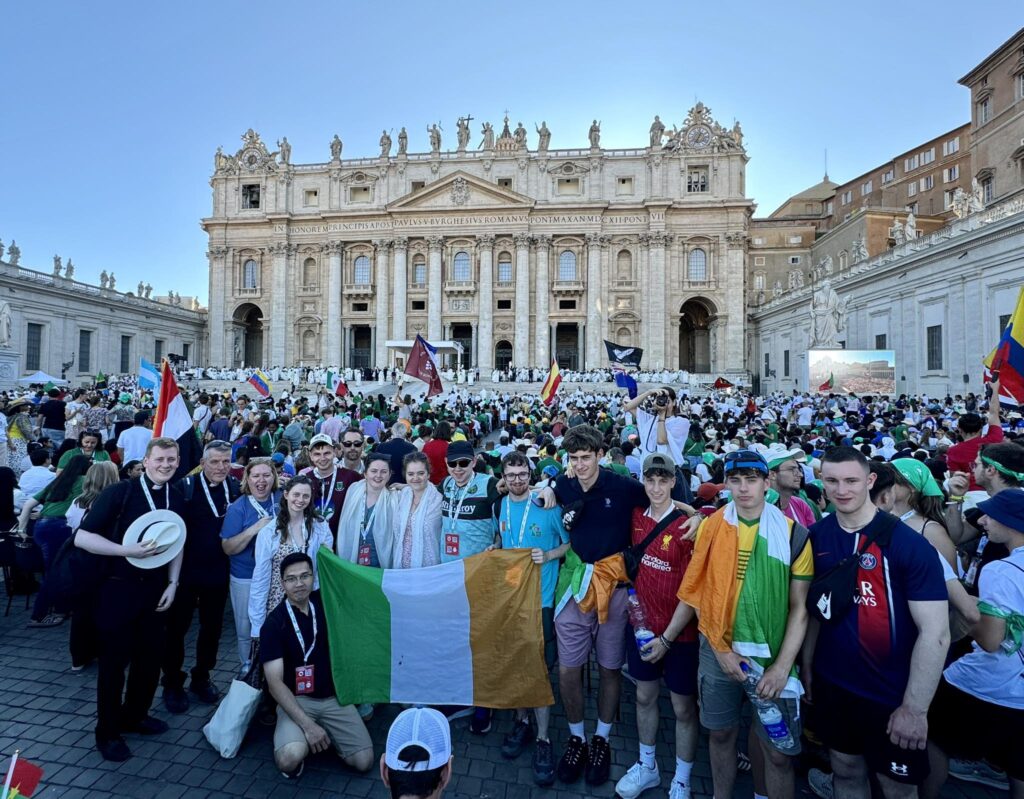
In the Diocese of Killaloe, Bishop Fintan Monahan noted that while “one would always hope to have more involvement,” there is “good involvement” in youth events and pilgrimages such as Lourdes and World Youth Day, and in local churches supporting the Pope John Paul II Award. He noted the diocese surveyed young people in October and is now meeting to discuss “the results and opinions shared.”
Brendan O’Brien, diocesan regional adviser for second-level schools in Killaloe, said the survey reflects a wide range of attitudes, from committed belief to scepticism or indifference. Many young people, he indicated, are open to involvement through youth groups, pilgrimages and volunteering, but barriers persist: lack of time, disconnection, and the fear of being judged. The survey also pointed towards practical responses: more youth-focused events, spaces for open dialogue, and approaches that speak to real-life concerns.
In Clogher, director of youth ministry James McLoughlin described “steady” involvement “with pockets of strong engagement,” especially through the Pope John Paul II Award and diocesan pilgrimages. Interest in Lourdes, he said, now far exceeds capacity: for July 2026, “over 120 young people” submitted an expression of interest for “only 75 youth places.”
Mr Mcloughlin pointed to parish-level investment too, with youth ministry workers now based in Lisnaskea and in the Cathedral Parish in Monaghan. Bishop Larry Duffy has convened a steering committee, he said, to create a five-year strategic plan through to 2031, with priorities including parish youth leadership, faith-formation pathways, mission and outreach, and mental health supports.
At parish level, Fr Declan Hurley in Navan said that after “the collapse of many activities during the pandemic,” youth involvement “continue[d] to grow” in 2025 through children’s choir and liturgy, youth groups, and a growing young adult Scripture group. He also described demand for sacramental preparation, including teenagers and young adults seeking Confirmation.
For Thomas Starkie of NET Ministries, one Belfast experience captured the moment: a young adult worship night that began with “just a couple of people” grew to “35 young adults” travelling for “praise and worship with Eucharistic Adoration.” The key, he suggested, is young people with “just a little bit of formation” helping to build prayerful community.
Nationally, Julie O’Donnell of Alpha Ireland said they are hearing “similar stories around Ireland” echoing the UK’s “quiet revival,” with “a new/renewed interest in faith.” She described Alpha as “a front door,” and said youth engagement has expanded: “over 4000 teens in Ireland” have experienced Alpha, with reports of teenagers “experiencing Jesus, often for the first time.” The biggest challenge, she argued, is “a perception of hopelessness”, yet “there are many things to be hopeful about.”