Lectio Divina continually invites us beyond ourselves, teaching us to recognise others in the text and to allow the Word to speak, says Fr Barry White
Christianity is not, as Pope Benedict XVI so often reminded us, an intellectual system, a packet of dogmas, or a moralism. Christianity is an encounter, a love story; it is an event. At its heart is not an idea but a person—the living Word made flesh. Word of God Sunday, celebrated on January 25th, brings Lectio Divina into focus. Far from being an academic exercise, Lectio Divina is a prayerful dialogue between the Word of God and human experience. As St Bernard of Clairvaux insisted, Christianity is not a religion of a book, but of the living Word, the incarnate Christ. Through the prayerful reading of Scripture, we are drawn again and again into that encounter.
Deepest
Some of my deepest moments of prayer have come not from study alone, but from stepping into the Gospel—entering the text, seeing, hearing, and feeling it as if I were there. I have heard “Be not afraid” as though Jesus spoke directly to me, like Peter trembling on the shores of Galilee. I have felt Christ’s outstretched hand as Bartimaeus, blind and desperate, crying out for mercy (Luke 18:41). I have stood among the shepherds in the stable, overwhelmed by awe at the sight of the new born Christ. I have watched the house at Bethany fill with the fragrance of costly ointment as Mary anoints Jesus’ feet (John 12:1–8). These moments are not exercises of imagination for their own sake—they are prayer. They are encounters with the God who reveals himself through Scripture.
We reason (lectio) under the eye of God (meditatio) until the heart is touched (oratio) and leaps into flame (contemplatio)
Christianity is fundamentally a religion of revelation. God is not silent or distant, but one who desires to be known. The Latin revelare means “to remove the veil,” and through the prayerful reading of Scripture that veil is gently lifted. Revelation, then, is not merely the transmission of information, but a living, dialogical presence.
In the monastic tradition—especially Benedictine and Cistercian—Lectio Divina unfolds through four classic movements: lectio (reading), meditatio (reflection), oratio (prayer), and contemplatio (resting in God), often flowing naturally into actio, the living out of the Word. Blessed Columba Marmion expressed this beautifully:
“We reason (lectio) under the eye of God (meditatio) until the heart is touched (oratio) and leaps into flame (contemplatio)”.
Imagination
Michel de Verteuil places particular emphasis on imagination during meditatio. We do not remain outside the text as detached observers; we enter it. We identify with the characters, recognise ourselves in their fears and hopes, and find ourselves saying, “Yes—this really happens. This is true to life”. The Ignatian tradition, articulated so accessibly by writers such as Timothy Gallagher OMV, invites us to form a “mental movie” of the Gospel. We read the text slowly, then “chew” on it—like the cow chewing the cud—savouring the details which come to the surface. We imagine the green hills around the Sea of Galilee, the cramped house in Capernaum, the straw and animals of Bethlehem, the crowded streets of Jerusalem during the Passion. We pause, rewind, and replay. Who am I in the scene—Mary, Joseph, a disciple, a Pharisee, or a bystander unsettled by Jesus’ words?
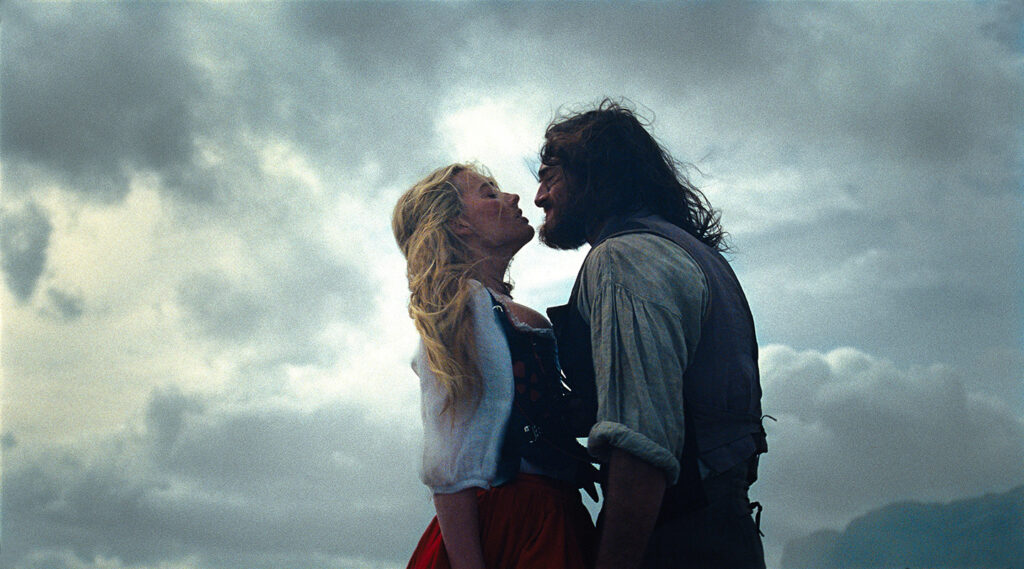
Visual aids—memories of a pilgrimage to the Holy Land, sacred art, or films such as The Nativity Story, The Passion of the Christ, or series like The Chosen—can help anchor the imagination. St Ambrose captured this beautifully:
“When we take up the sacred Scriptures in faith and read them with the Church, we walk once more with God in the Garden”.
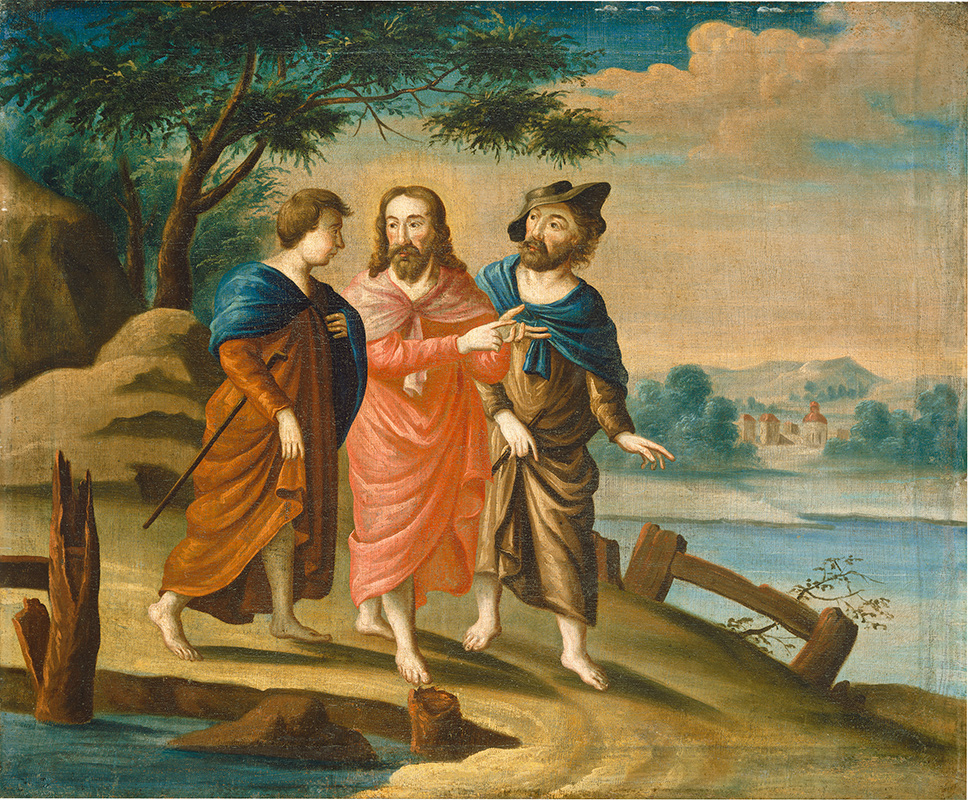
Lectio Divina never remains purely private. The Word that addresses me also opens my eyes to others and to the world. Peter’s words—“At your word, I will let down the nets” (Luke 5:5)—may speak to someone discerning a major life commitment. The disciples on the road to Emmaus (Luke 24:13–35) can be imagined as a married couple walking through disappointment or loss. Bartimaeus gives voice to all who long to be seen and restored. Mary Magdalene, weeping in the garden (John 20:11–18), embodies the grief of those who have loved deeply and lost much.
Lectio Divina continually invites us beyond ourselves, teaching us to recognise others in the text and to allow the Word to speak into the concrete realities of society, family life, work, suffering, and death. Pope Leo XIV’s intention for January reminds us of this wider horizon:
Nourishment
“Let us pray that praying with the Word of God be nourishment for our lives and a source of hope in our communities, helping us to build a more fraternal and missionary Church”.
Lectio Divina does not end with words. After reading, meditation, and prayer, there comes a moment when all commentary must fall silent. Contemplatio is a resting in God, a receptive openness to his presence and his way of seeing reality. This silence is not emptiness, but fullness. From it flows actio—decisions and resolutions inspired by prayer.
Following the 2008 Synod, Pope Benedict XVI affirmed Lectio Divina as a privileged means of deepening Scripture and allowing it to shape daily life. He described it as a way to open “the treasures of God’s word” and encounter Christ, and in Verbum Domini suggested that, if more rooted in parish life, it could bring about the “new spiritual springtime in the Church”.
The invitation is simple yet demands time and discipline: We enter the Word—and the Word enters us.