According to the recent report, the rate of domestic abuse callouts has jumped 45% in the last four years, with over 65,000 incidents in the last year. Aontú leader Peadar Tóibín TD described the figures as “shocking,” accusing government of “hiding behind” claims that the rise is simply due to increased reporting. Asking, “If the government doesn’t even acknowledge that domestic violence is a major crisis in Ireland, then how can it be serious about tackling the problem?”
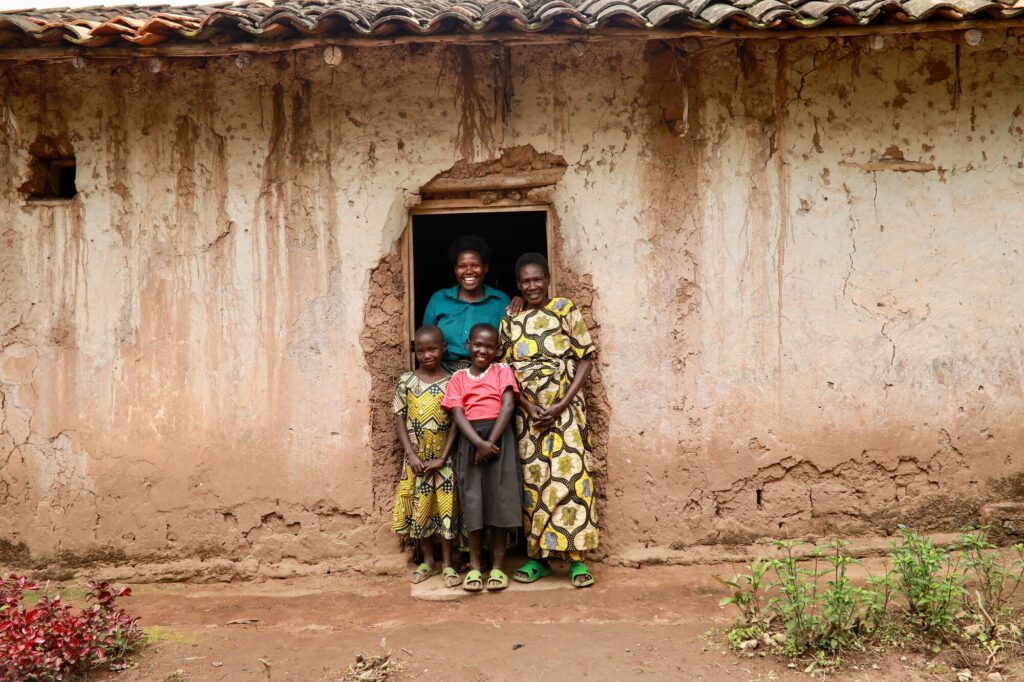
Similarly, Women’s Aid has also reported record numbers of contacts to its services, with cases involving threats with weapons, surveillance, miscarriages, and homelessness. However, nine counties still lack a dedicated refuge, and more than half of existing facilities are full.
Sr Fiona Pryle, who has spent over two decades supporting women in abusive relationships, said the trend reflects “a very, very troubled, violent society” where women and children are increasingly unsafe at home. Speaking to The Irish Catholic, Sr Pryle warned that many women remain trapped in dangerous situations due to the housing shortage, limited refuge spaces, financial dependence, and the length of legal proceedings.
“The legal system is a dreadful journey for most women,” she said, noting that securing barring orders is difficult and breaches often go unpunished. She also underlined the importance of child maintenance reform, as the lack of its enforcement leaves many survivors in poverty long after leaving abusive partners.
While former Justice Minister (and now Education Minister) Helen McEntee published a comprehensive review with recommendations such as asset freezing and bank deductions, much of the legislation has yet to be implemented.
Campaigners have welcomed recent government commitments to expand refuge places and the establishment of Cuan, the new domestic and sexual violence agency, but insist more need be done. Sr Pryle argued that prevention begins with education.
“If we don’t tackle gender equality in our society and teach a basic respect for the human person, we’re just going to have this continuously,” she warned.
The government’s Zero Tolerance strategy aims to double refuge spaces to 280 by 2026, though campaigners note this still falls short of the 450 recommended under the Istanbul Convention.