When I heard that RTE Investigates was doing yet another abuse-themed exposé related to the Church, I thought, ‘Here we go again’.
Broadcast of Christian Brothers: The Assets, the Abusers (RTÉ One, Thursday) was delayed after the death of Pope Francis. Perhaps they thought it would be tone-deaf to show it so soon after, or perhaps they thought it wouldn’t be respectful. I wasn’t particularly hopeful that it would be a fair programme. Last year RTÉ produced one of the most biased programmes ever on the abortion situation in Ireland. It was dripping with pro-abortion talking points and with barely veiled hostility to the pro-life perspective.
First it has to be said that the stories of abuse in Christian Brother schools were just awful. Blessed Emund Rice must have been turning in his grave, again. I could well understand one victim’s feeling of ‘terrible anger’ at the abuse he suffered. Another victim described ‘brutalising’ experiences. Survivors felt let down by Church and State. As so often is the case the reports of abuse were not handled properly, neither swiftly, effectively nor justly. The patterns of abuse and mishandling are typical of so many institutions but are particularly offensive and disappointing when they happen in Church-run institutions – you’d expect much better. And these stories were no media concoction – there were guilty pleas, confessions and convictions.
This programme focused on Christian Brothers’ assets, especially in relation to property, how it is managed, sometimes disposed of and where the money raised goes. Questions were raised about the legal strategies, which seemed designed to frustrate the efforts of survivors to achieve redress. It was quite damning, but given my lack of confidence in the RTÉ Investigates approach I just wondered if there was another perspective we were missing, if we weren’t getting a spin to show things in the worst possible light. I’d like to have seen some interviews with Christian Brother leaders, or even from some ex-brothers who might have made useful contributions. I don’t know if they were afforded any such opportunities. Quoting official statements from the order is just not good enough and comes across as cold and corporate. Further, because some convicted abusers had been at the highest level of governance, some survivors felt that this coloured the order’s defensive and legalistic responses.
As usual the programme took broad swipes and applied a moth-eaten strategy – juxtaposing sinister music with religious iconography. It felt smug, simplistic and lazy. At one stage the narrator said of the Christian Brothers: ‘some were gifted educators who inspired thousands of boys’. This was certainly my experience as a past pupil. I doubt I’d be writing this column today if it hadn’t been for that inspiration.
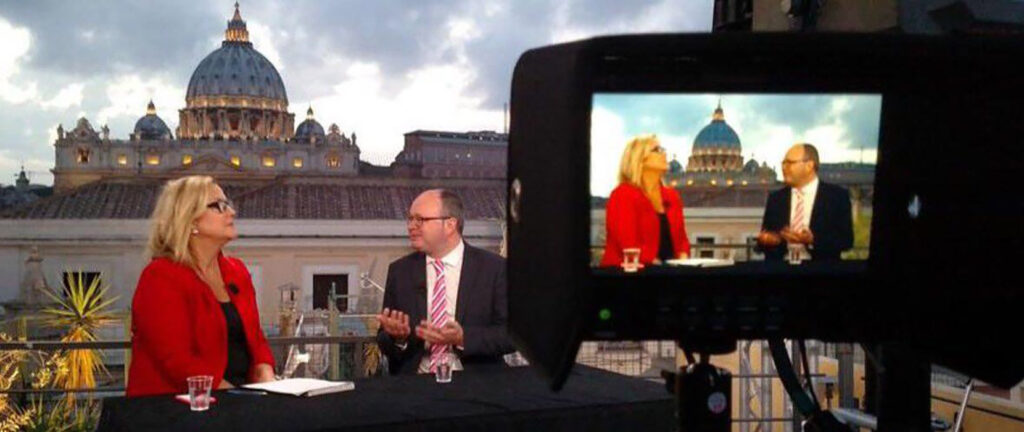
The question of child abuse arose again on Sunday (BBC Radio 4), which had some topical coverage of the Conclave, even including an interview with the Pope’s tailor! In a worldwide vox pop on the qualities needed in the new Pope Irish journalist Breda O’Brien said he’d need to be aware of the ‘profound impact’ of abuse and effect real accountability from the top down. A Divine Word missionary priest from Manila described the Conclave as a ‘movement of the Holy Spirit’ and said the new Pope would have to be ‘a father, a mother, and an administrator’. A Nigerian priest said the new Pope would have to address matters of concern to both liberals and conservatives and issues relevant to believers. An Argentinian politician was optimistic about getting a ‘very good Pope for humanity’. Vatican commentator Edward Pentin thought the Conclave would have elements of a referendum on Pope Francis. Reporter Colleen Dulle agreed but thought that was the case for all Conclaves. Dr Miles Pattenden gave some useful historical background on the history of Conclaves, while Sister Nathalie Becquart, undersecretary of the Synod of Bishops since 2021, reckoned there would be no going back on the increasing number of women in leadership roles in the Church – better decisions were made, she said, when men and women were together in governance.
Last Monday, on Morning Ireland (RTE Radio 1), Michael Kelly, of Aid to the Church in Need and former IC Editor brought us bang up to date from Rome – the official period of mourning was just ended and now there were important pre-Conclave meetings of the cardinals, out of which would hopefully emerge a profile of the desirable qualities of a new Pontif. Fingers crossed!
PICK OF THE WEEK
Faith and Life
EWTN Sunday May 11, 9am
Marion Carroll suffered from MS for 17 years, and was bedridden and incontinent. But on September 3, 1989, she was healed at Knock, Ireland’s shrine. In this interview, she recalls what happened on that special day. Part 1 of 2.
Assisted Dying: The Final Choice
BBC Two Monday May 12, 11pm
A look at the patients in Canada and California legally choosing assisted dying, including both those undergoing the procedure and those who feel it puts the most vulnerable at risk.
EWTN Live
EWTN Tuesday May 13, 6am
Sr Briege McKenna, OSC, talks about her ministry to priests and religious and also shares her view on the state of the priesthood and religious life over the last fifty years.