David O’Hare
“According to the World Bank, climate change could push as many as 130 million people into extreme poverty by the year 2030, wiping out many of the development gains lower-income countries have made,” said Caoimhe de Barra, Trócaire’s CEO.
Ms De Barra says the effects of climate change are having a particularly negative impact on children’s education and their futures. “The communities and families we work with are increasingly being affected by erratic weather patterns caused by climate change. As many of these rural communities rely on growing and selling crops to earn an income, the loss of livelihood has knock-on effects for families. Often families can’t afford to pay for classes, books or transport. This is aside from the very direct effects when schools are destroyed by floods or cyclones and roads become unpassable for children travelling to school.”
Livelihoods
“In developing countries, storms and droughts are wiping out livelihoods and often mean that children have to leave school permanently so they can work to help support their families. Countries where people are more vulnerable to the effects of climate change are also regions where children already receive fewer years of schooling. The effects of climate change have had a disproportionate and disastrous impact on children’s education in some of the world’s most fragile countries.”
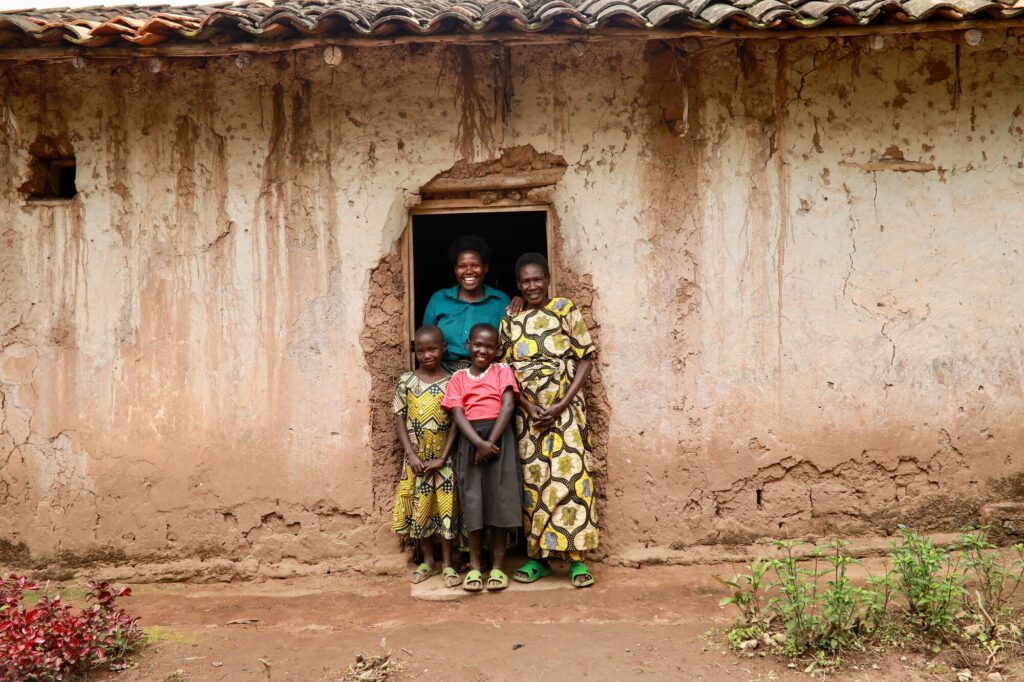
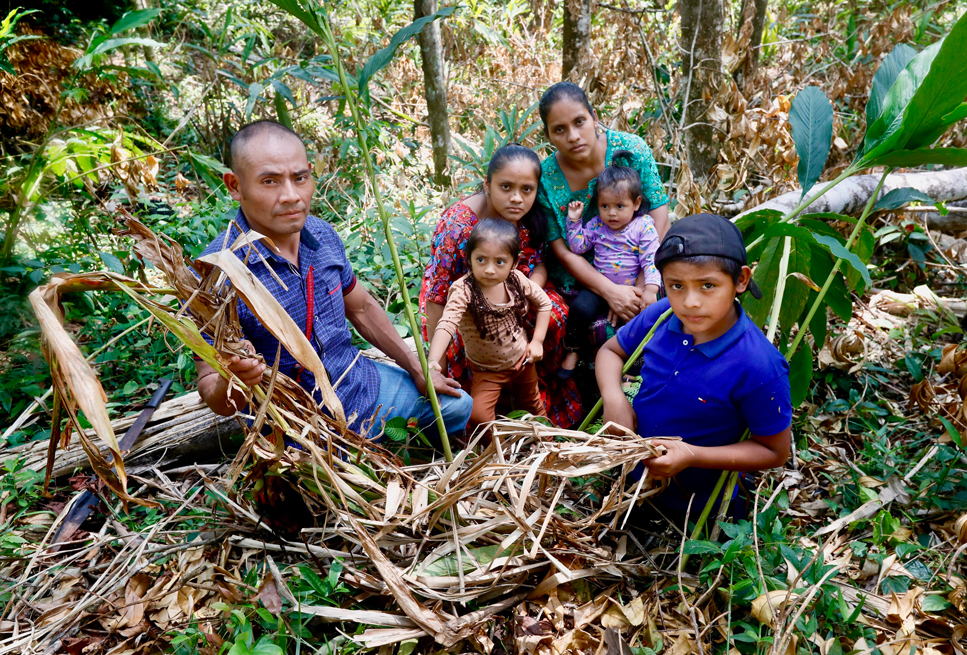
“The Trócaire Box appeal for Lent this year centres around the story of a family in the small community of La Paz, in central Guatemala. Ilma and Julio have four children, Miriam (13), Julio Jnr (10), Debora (4) and baby Gloria. They depend on farming to feed themselves and earn an income. Like many families and communities Trócaire works with, they are experiencing increasingly erratic weather patterns due to climate change. This is having life-changing consequences on their livelihoods, wellbeing and future.”
When there’s drought their crops die. And then when it starts raining it also kills all their crops. They don’t know what to do anymore”
“Climate disasters disproportionately harm young girls’ education. 12-year-old Miriam’s parents used to plant crops twice a year but now only plant once because of the extreme weather conditions. A drought devastated their crops which meant they had no income. Miriam was due to go to secondary school, an hours drive away, but her parents are struggling to afford the €5 a week for the bus that would take her there,” said Caoimhe de Barra.
“Miriam’s mother, Ilma, told Trócaire it is now hotter and they have more droughts. Then it starts to rain, and it won’t stop raining. A more intense rain, more frequently. It affects their crops. When there’s drought their crops die. And then when it starts raining it also kills all their crops. They don’t know what to do anymore and she’s afraid that her children will suffer and won’t be able to go to school. This sums up the massive challenges facing Ilma’s community and many like them in Guatemala and indeed right across the Global South.”
Particularly severe flooding in 2020 due to hurricanes Eta and Iota destroyed Ilma and Julio’s crops. The family were cut off from the rest of the community and had to take refuge on higher ground to save their lives. The community shared their food and supported the family and others affected. Ilma’s daughter Deborah, who was only four months old at the time, had diarrhea and vomiting which lasted for a week. They were unable to take her to a health post as they were cut off by the flooding. The community feels that excessive rain coincides with getting sick.
Miriam (12) recalls the hurricanes. She said, “We didn’t have any classes because the teacher was not able to come to the community and we didn’t have any food. But we were able to get help from neighbours. We waited a month for the water to go down.”
Marginalised
“Trócaire supports marginalised rural communities to sustain their livelihoods and to mitigate and adapt to the impacts of climate change and environmental degradation. This Lent we are asking the public in Ireland to help us support communities like La Paz as they mitigate and adapt to the effects of the climate crisis so that they can continue farming, protect their homes from flooding, make a fair living from their crops, send their children to school and become more resilient,” said Caoimhe de Barra.
“This support is even more crucial in light of the recent drastic cuts to Overseas Development Assistance. The US, the world’s richest country, cancelled 90% of its international aid programme recently. The UK immediately followed by substantially reducing its international aid commitments. This is part of a broader trend which is seeing the world’s wealthiest countries reducing their support to the world’s most vulnerable people. The consequences for millions of people across the world is devastating. The cuts are happening at a time when the global need for humanitarian assistance has never been higher and global commitment to addressing this need perhaps never weaker. Thanks to our generous donors, congregations, clergy, the Irish public, Irish Aid and other institutional funders, Trócaire will continue to support our partners as they provide essential services and carry out vital work. In the face of this unprecedented and repugnant attack on the world’s most vulnerable we need the support of the Irish public now more than ever,” said Caoimhe de Barra.
In 2023/24 Trócaire supported 2.2 million people across 20 countries in Africa, Latin America, Asia and the Middle East. Trócaire’s climate and environmental justice work supported 288,200 people in countries including Guatemala, Honduras, Sierra Leone, Somalia, Malawi, Rwanda, Zimbabwe and Syria.
The iconic Trócaire Box – which has been synonymous with Lent in Ireland for over 50 years – has been distributed to hundreds of thousands of homes, schools and churches right across Ireland. Donations can also be made online at trocaire.org or by calling 1800 408 408.
David O’Hare is the Communications Officer and Internal Communications Specialist at Trócaire (NI).