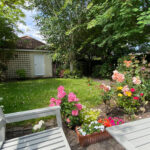
It is just standard for students to share houses/apartments with other students while in college, however, that’s not the only option. The Dominican Sisters, Cabra are providing an alternative to that, opening a house in Harold’s Cross to young women who would like to live in community with Sisters.
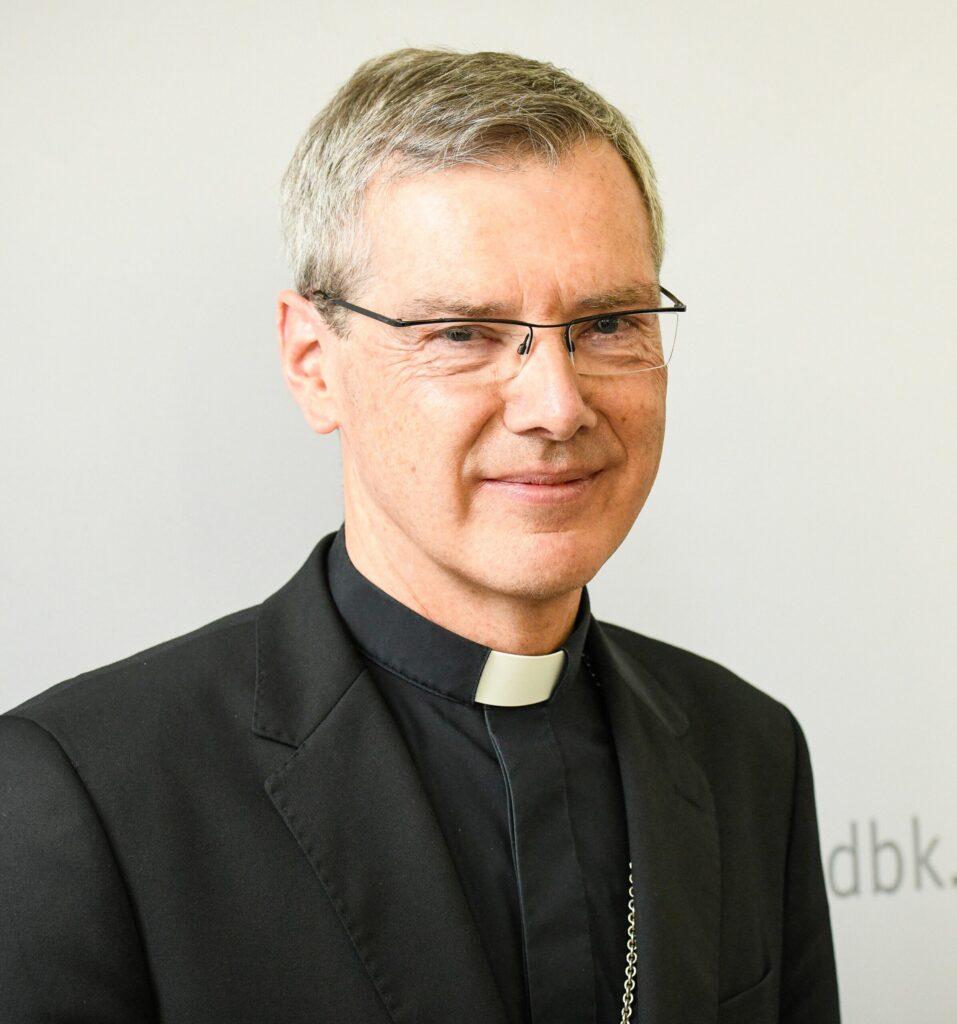
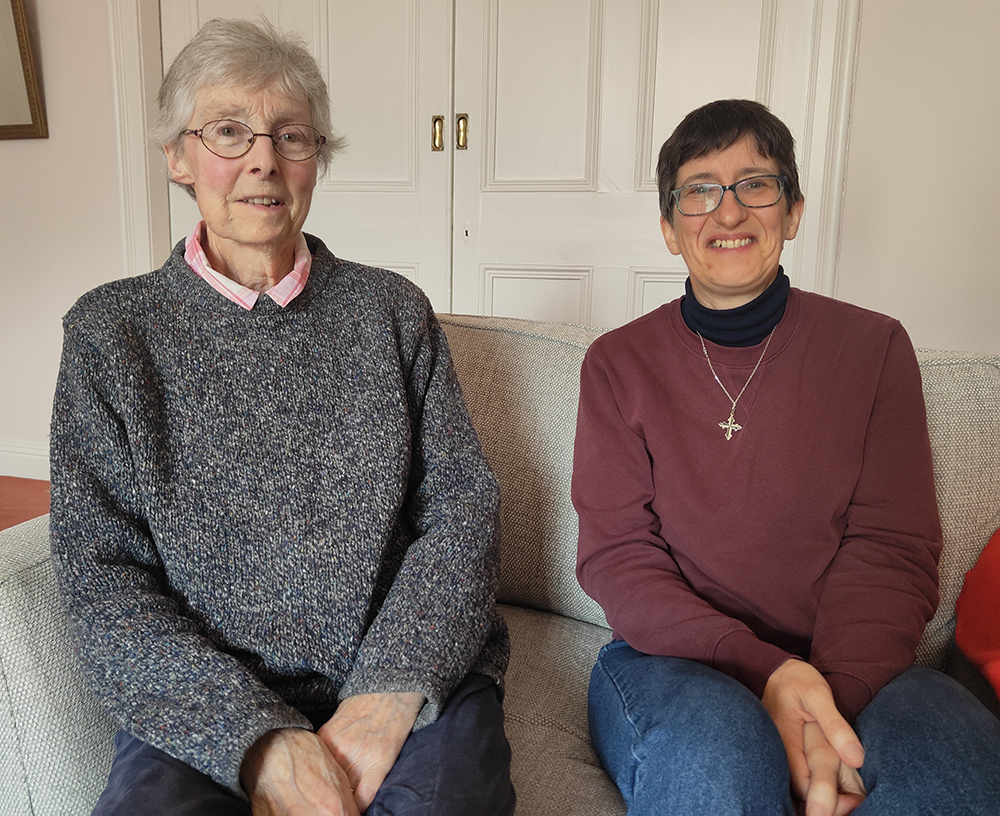
Sr Eileen O’Connell and Sr Eilís Ní Mhongáin are the ones responsible for the community, welcoming the women and making sure the place and the project are running smoothly. They had a third sister living with there, but she moved out.
The rooms became available three years ago, but the idea came much earlier than that. “We discerned it for a long time as the Congregation,” Sr O’Connell said. The idea came first from herself and another sister, “and then we discerned it with the Congregation as it’s just that we don’t make that type of decision on our own.”
Demand
The sisters believed this would meet a need for some younger Catholic women. The sisters talked to various people, including young people, sisters and brothers in other congregations and groups who are doing something similar in Ireland or in Europe and realised many young Catholics are looking for sharing living in a lay Catholic community way.
They spoke with the Dominican Friars in Cork who were “doing something for young men” and discovered that the Jesuits in Dublin support the Faber Companions, which is a group of young men who live and pray together in community. When discerning the new community, Sr O’Connell also met a young woman who formed a community with friends because they wanted to live as Catholics together, and there was nothing similar to the Faber Companions for women, the sister explained.
When it was all ready to receive some women, they started advertising
the rooms”
Knowing there was a demand for this type of living and having the support of the Congregation, it was just a matter of implementing the idea. Three years ago, when the house in Harold’s Cross became available, the Congregation Council asked if they would like to try and start the community there, the sister explained.
The sisters moved into the house, and when it was all ready to receive some women, they started advertising the rooms. They have three rooms available, but usually only rent two, as they keep the third one available in case another person comes to visit.
“We advertised using the accommodation hubs for the universities because that was a good place. We also shared it with friars we knew, Dominican friars. [And] other places [like] WhatsApp chat groups, and asked people to share it with anyone they thought might be interested,” Sr O’Connell explained.
Connection
They are not looking for people who ‘will not be a problem’ or ‘will be no disturbance’. They “want someone who is present,” someone who will share meals and spend quality time with the sisters and each other.
They look for women who are between 18 to 45 years of age, preferably students. “Students make more sense … I suppose part of our thing is sharing and building community together for a period of time. It’s not forever.” They are not looking for someone who “would be here for six years, that’s not how we envision it.”
It is up to the women to choose to keep contact or not after they move out”
For the first year, they had two women staying for the full academic year, and one other for half of the year. In the second year, they had two and for the third they had two up until Christmas. Currently, they only have one woman living with them.
The Sisters said it is up to the women to choose to keep contact or not after they move out. They still keep close contact with some. The second woman, living with them up until Christmas, was there for two years. She is Indian and got married close to Christmas in her home country. Sr O’Connell attended the wedding.
Community
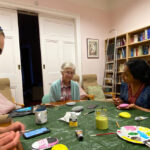
One of the rooms on the ground floor has a big table for them to do jigsaws or play board games together as a community. Sr O’Connell mentioned they are watching The Chosen together now. They also go for hikes, “if it’s a fine weather on a Saturday … It’s not really planned,” they said. “The weekend is going to be free, we’re both free, and we’re going to go for a walk, if you [the lay women] want to come, great. If you don’t, obviously it’s not a problem.”
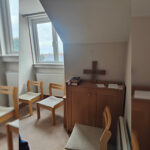
One of the rooms in the house was converted into a chapel, where they pray daily”
As a community, the women are invited to share the cleaning and cooking responsibilities, and care for the house. “Anyone who is here receives an invitation to join us for prayer, but there isn’t an expectation,” they said. “If somebody doesn’t turn up for prayer, that’s not a problem because we’re not asking them to live a fully Dominican life,” the Sisters explained.
They even had a Muslim woman living with them “for a very short period”. She was moving apartments, and her lease was ending on the old place, but the new place was not yet available, so she stayed with the sisters for a bit more than two months.
One of the rooms in the house was converted into a chapel, where they pray daily. The woman living with the sisters now has a group who sometimes meet in the house, and sometimes they ask to use the chapel to pray the rosary together. They have their meeting in another room, but then move to the Chapel for the rosary, Sr Ní Mhongáin explained.
Sharing
For the cleaning responsibilities, Sr Ní Mhongáin created a list of the areas of the house that needed to be cleaned, “so if you’ve done it, you tick it. It’s not the case of saying ‘she didn’t do anything this week’. If you’ve cleaned the area, you tick it so then everybody knows. ‘I don’t need to clean the kitchen because it’s cleaned’.”
You don’t have to have the answers, you just have to give people time”
This experience of sharing the home with lay women taught Sr O’Connell “the importance of just being present. Just being present with people and being open is enough to allow people to do their own searching and seeking. You don’t have to have the answers. I never would have thought I had the answers to anybody anyway. But you don’t have to have the answers, you just have to give people time.”
Conversing
They have dinner with each other and sometimes they would sit at around 6.30pm and still be there at 9pm. “We haven’t got up from the table, apart from filling our cup… We talk about the deep meaningful stuff and then about ‘what’s your favourite song’ or ‘can you identify someone’s colour by their name?’, which was a really weird conversation,” Sr O’Connell said.
“We would throw out a random name. For instance, the three of us who were in the conversation, all knew Eilís who wasn’t there at that meal, so she wasn’t being made uncomfortable by this. It was like, ‘Okay, what colour is Eilís?’… ‘Oh, green, 100% she’s green’. I mean, it was so random. The conversation went from really important things, talking about your day, talking about what’s your favourite Gospel, to very random things.”
I find it absolutely amazing to be living with young people”
The Sister said that “the conversation went all over the place. But I think what you learn from that is just the value of time because those very almost nonsense conversations can allow the space for someone to eventually ask a question that’s really burning.” Questions like “‘I don’t know what I want to do with my life’, ‘my friends have all it worked out and I don’t. What’s wrong with me?’ Nothing. You just haven’t worked [it out yet]. That’s the value of just time and presence and openness and availability.”
Sr Ní Mhongáin said that for two generations you could tell when someone didn’t want anything to do with the Church, “so we’d be more reticent about talking about things. I find it absolutely amazing to be living with young people on their search. Very different searches and finding answers in different ways. But just to find that ‘faith’ is so much part of their life and their commitment. That has been very, very enriching and a real eye opener.”
The Sister said that the women who live with them “all have links with other young people. So, you suddenly realise ‘okay, there may be two generations lost, but there’s something happening now’. That whole sense of God being active in their lives again and being listened to – that has just been tremendous.”
Change
Sr Ní Mhongáin entered the Dominicans when the congregation was still cloistered, she thought that would be her life forever, living among the other sisters inside the walls of the convent. Little did she know that years later she would be living in a community with young lay women.
The Sister told this paper she’s seeing “a shift in the thinking” and that things are possibly going to change, maybe even including the founding of more communities bringing lay people and religious to live together. “We had been an enclosed congregation, so a lot of the sisters that are older than me lived that for a lot of their life. Then there was a phase where a lot of the sisters moved out of the big houses and they lived in parishes,” Sr Ní Mhongáin explained.
It’s not what sisters or friars or brothers are used to doing”
Sr O’Connell “would encourage every congregation to try it [living in community with lay people], if they have the willingness to. I certainly think it has been extremely enriching for us. Because they have written to us when they left, we know that, for those who have lived with us, it was something very important too. We keep in contact with women afterwards if they want that. I think living this type of community is definitely worth it. It might be a risk, because it’s not what sisters or friars or brothers are used to doing, but it’s definitely worth it. Definitely 100% worth it.”
If you or someone you know are interested in living with the Sisters or want more information, contact Sr Eileen on dominicanhive@gmail.com.